

Anatomy of a Design Challenge

a sophisticated exploration of nutrition, sustainability, and process thinking disguised as a chicken treat.
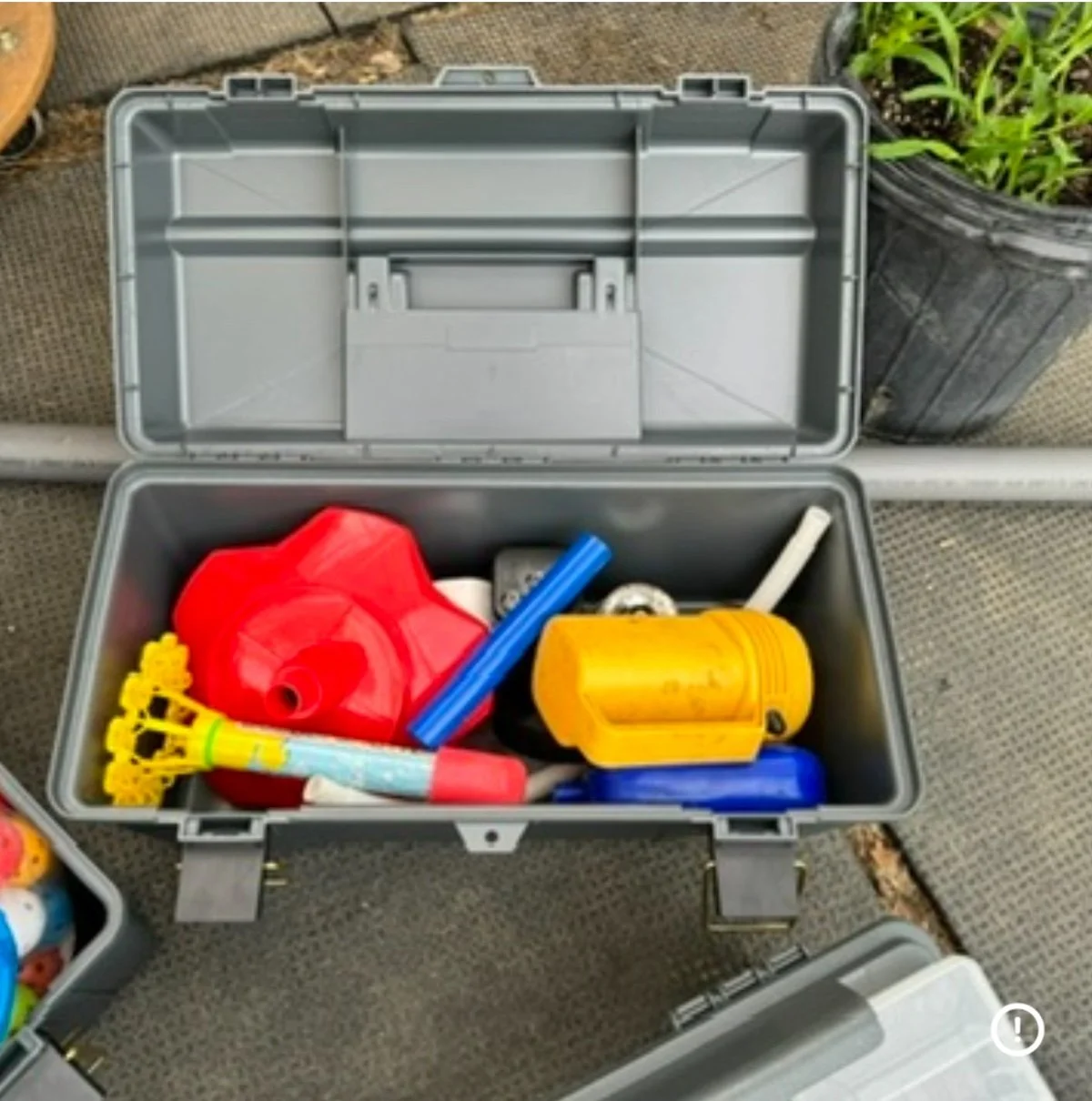
What is a Design Challenge? It is a self-contained course of study that has been co-developed by Mezzacello and a HS intern or the MS Menterns. It has a self-contained, waterproof box, a study guide, durable materials to complete the challenge, and a series of standards-aligned learning goals that function here at Mezzacello, and in school visits or public demonstrations.
The Core Concept
The origin of the Design Challenge comes from three sources:
The Design Cycle and Design Thinking learned at the PAST Foundation
The need for teaching many kids in camps and workshops, and training MenTerns and Interns to take control of the learning and teaching.
The Design Challenge has a waterproof, labeled box that contains the parts and pieces of the work being explored. It also includes a map detailing where and what kids might need to complete this challenge at Mezzacello. It contains a kid-designed standards alignment key that empowers kids or teachers to run it. It has learning goals and suggestions for innovation that could extend the discovery. Lastly, all of this is available online via a QR Code so teachers or parents can design their own, or Menterns can recover lost notes and instructions.
How a Design Challenge is Created
Simple Machines Design Challenge
Modular Design Challenges
Learning Goal
All Design Challenges start with a learning goal and an outcome. This is co-designed by Mezzacello and the Menterns. It is open and evaluated after each use to determine if it needs updating or extended, and it is relevant to the farm, the summer camp, the workshop, or the school visit.
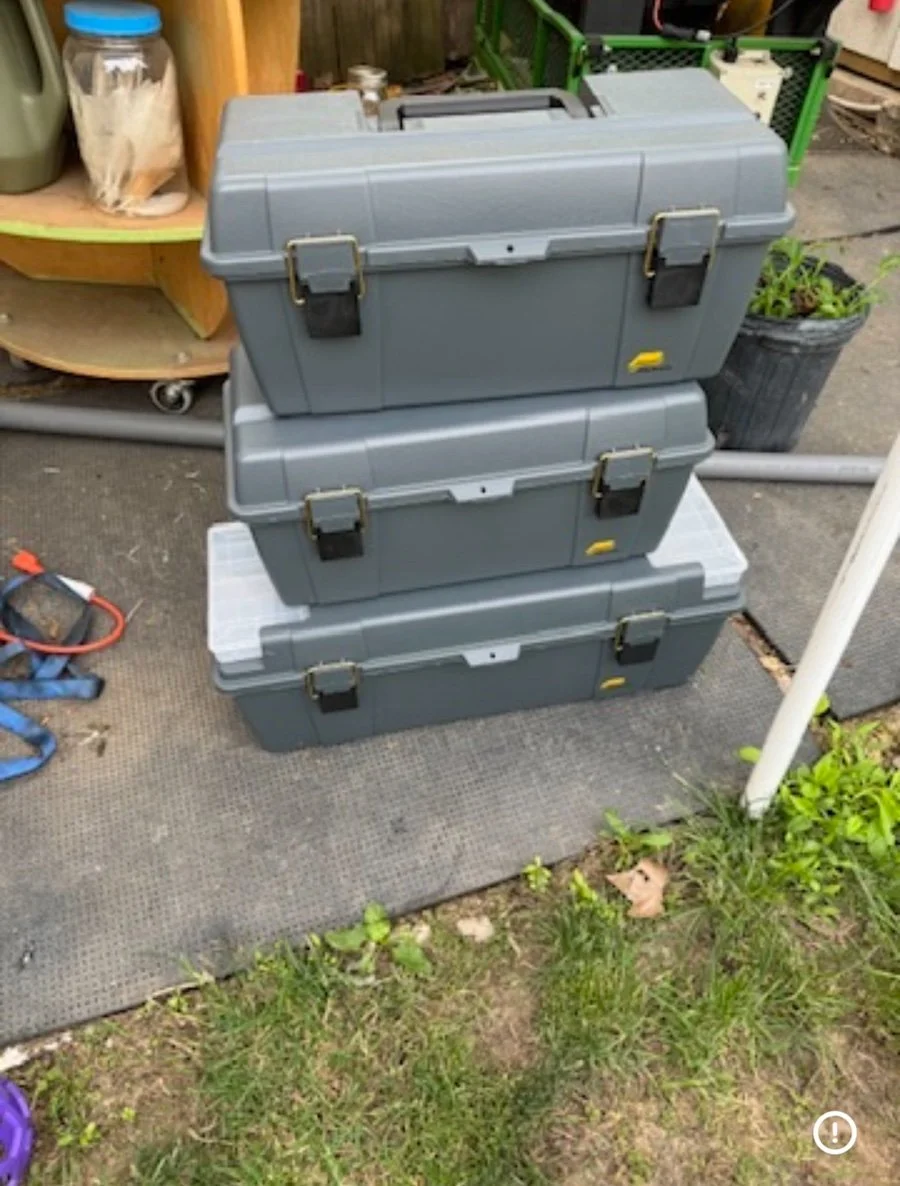
The Design Challenge Box
A Plano toolbox with three dedicated sizes: Small: Kid Friendly, Medium: Mentern Friendly, Large: Requires Adult Supervision. This was a strategy designed by the MenTerns themselves. They evaluate complexity, learning goals, and insurance policies. Any sharp tool, glass, or acid and chemical AUTOMATICALLY goes into a large box to protect kids, Menterns and Mezzacello.
The Design Cycle In Action
In some cases our internal Design Cycle process can move a Design Challenge from Large to Medium. Case in point, pH testing. The MenTerns found test tubes that were plastic, and a controlled source for heat and a method for producing AnthoCyanin from red cabbage with no knife needed. This small modification improves the design challenge and makes it more accessible and this intriguing to kids.
Together we have discovered that if you really include kids in their learning and hold them accountable for their own success, they take it seriously. It builds pride, confidence, character, and grit. In all design challenges, the kids own the outcome, and the outcome is tied to pride, curiosity, and the welfare of vulnerable ecologies, plants, systems, and animals. This is the best of humanity, but kid-sized and bold.
Standards Alignment
Next is the standards alignment and classification strategy. The Menterns and Mezzacello have designed to date, 18 Design Challenges. These range from writing a poem to drawing your fears all the way up to electron valence shields and bonding at the quantum level. The standards start at 4th grade standards and go all the way up to 8th Grade standards. The standards features alternate between even and odd years. Just the level of sophistication and science and math integration change. We tracked this pattern and came up with a rubric.
The Design Challenges
The 28 Design Challenges (so far) are:
Design Thinking and The Design Cycle
Creating and Testing a Hypothesis
Creative Writing and Drawing
Public Speaking Basics
Chicks 4 Kids
Simple Machines
Pattern, Structure, Process
Physical Electricity
Using Solar, Wind, Batteries, to Do Work
Atomic and Quantum Bonding
Water Purification
Pathogens As a Village
Understanding Food, Wellness, and Nutrition
Naming, Mastering, and Managing Fear
Levels of Reality
NHCOPS and the Ladders of Life
pH Balance
Building a Biodome
Vet Tech Basics
3D Printing on a Farm
Sustainable Feed and Nutrition Basics
How To Document Anything
Developing a Trend for Research
Mechanical Fasteners and Machines
Make a Video From Scratch
How and Why to Work as a Team
Microbiology Basics
AI Integration in Research
