

Converting Temps to Metric
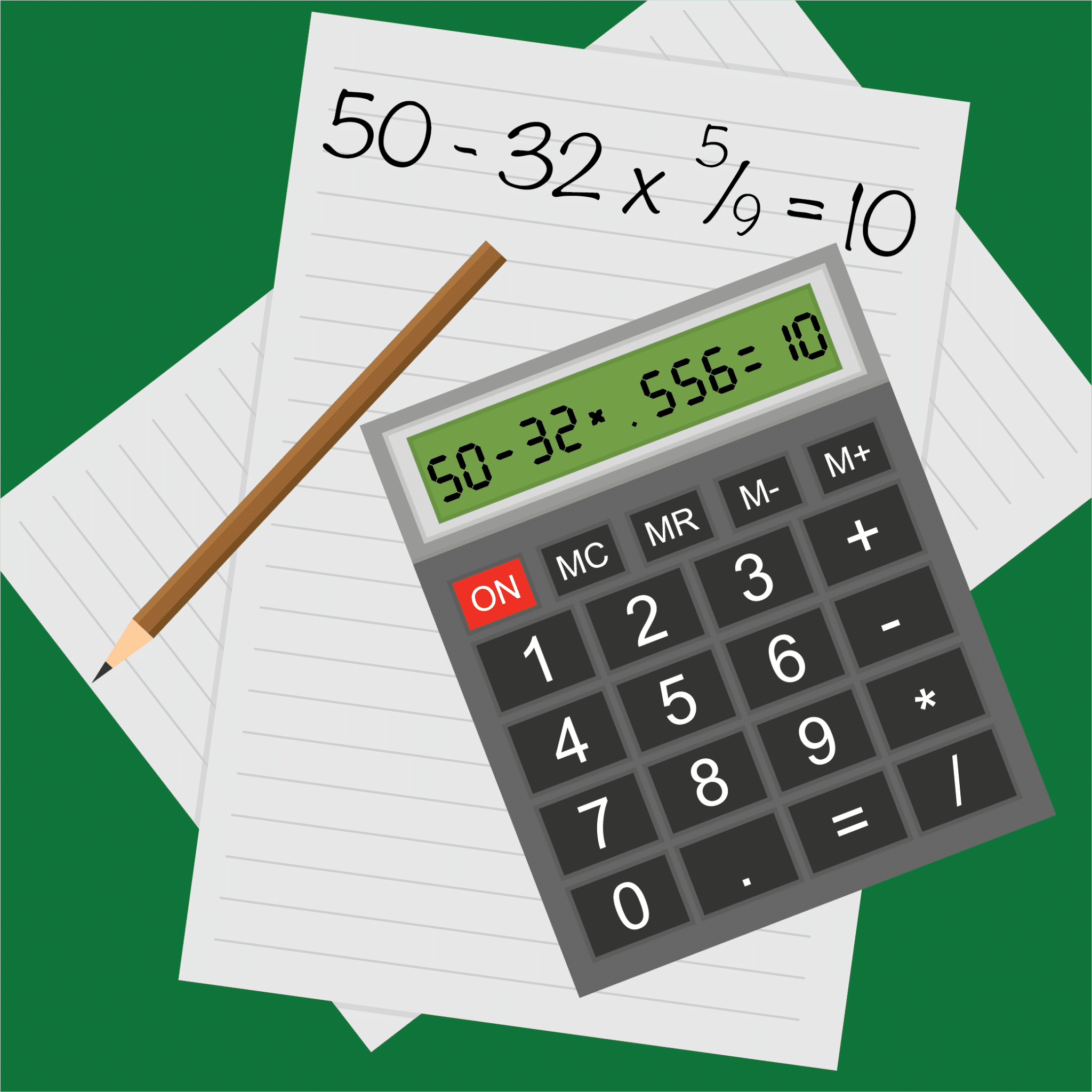
A quick primer on doing the math for F-2-C
Here at Mezzacello where everything we do is in metric - by design - it is very important to know how to understand converting temps to metric. It's also important to think of lengths, distances, weights and volumes, but temps are the most difficult. But it doesn't have to be.
All Temperature is a Pressure Reading
Since temperature is really just a measure of the amount of heat motion in the air, that fractional component is really important. The fraction denotes the ratio of pressure in a given system, 9/5 or 5/9. The 32 is a random number that was just a convenience in the way pressures were measured in the 17th, 18th and 19th Centuries.
The Order of Operations
The main difference between these two is the order of operations. From celsius to Fahrenheit it is one fluid equation: x(1.8) + 32 = y. From Fahrenheit to Celsius it is two discreet equations: x-32 = y and y(.556) = y.
Try it. You'll see why on a calculator. But most importantly, you'll see that fractions are just decimals in waiting. Not that fractions and factorials are not important, but sometimes a decimal is just easier. and polite.
Again, since I work with kids all around the world, using metric is mission critical. Metric is also the language of science and the coming space race. We don't want a repeat of the beagle, right? (the NASA built probe launched to Mars and destroyed because the European Space Agency was tracking kph and the US mph).
Measurements are Subjective and Random by Nature
And that in a nutshell is why I much prefer the metric system. All measures are abstractions about the world around us and are ABSOLUTELY random. But a random abstraction based on easily replicable masses, objects and quantum phenomena is so much easier to replicate and use.
