

Why Sustainability Is So Important Here
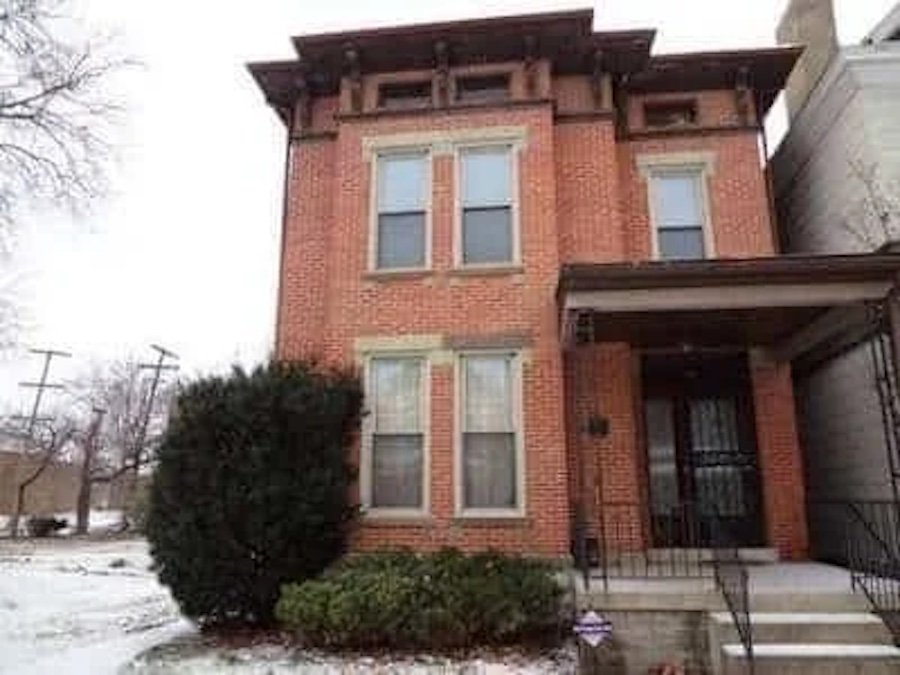
The abandoned house and the empty lot to the south in 2014
This was our house when we first met her in 2014. She is 158 years old and still strong as ever - even after being abandoned for 11 years in the 70s and 80s. She needs a lot of care and comes from a time before convenience. That is why sustainability is so important here. This house was literally a sustainable farmhouse.
Bare Bones and Boarded Up
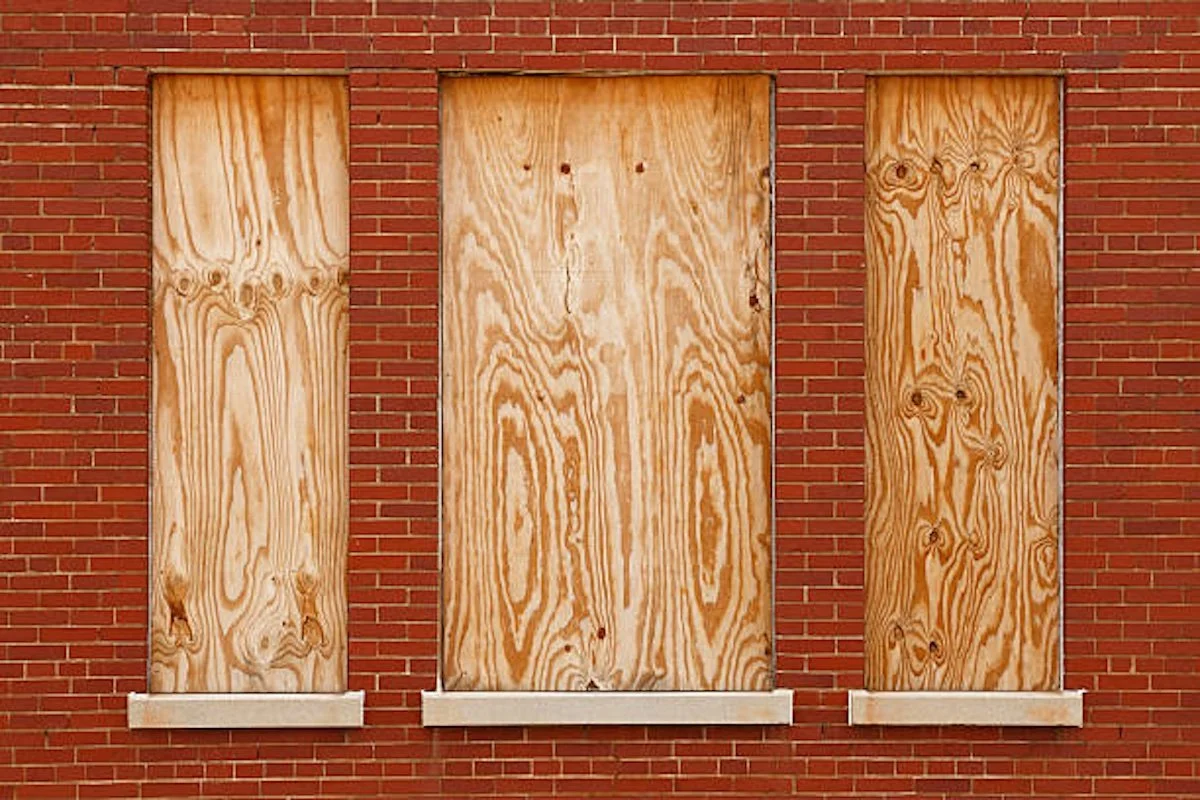
Boarded Up windows
The History of Sustainability
This house was finished in 1868. It was a small but fine Italianate farmhouse next to a country stream just outside the then city limits. 20 years later, the first street car would connect the “city” to the emerging suburbs of the near east side. The first “grocery store” would not arrive on the scene for another 50 years.
Because of its farm-like isolation, sustainability is built in to the DNA of this house. It was heated by coal and wood and lit by candles and natural light. The food was produced on site.
When the streetcars came, so did gas lines. The house was heated by gas and lit by gas and sunlight. The food was partially grown on site and bought from grocer’s carts and the North Market.
When the “Big Bear” grocery store opened in 1938, cars were becoming common, the alum creek tributary was rerouted to the Alum Creek water way to the south beyond Nelson Road. The potager farm was smaller, and cars were becoming more common. Electric light was becoming common, but the house was still gas heated.
Additions To The House

The Four additions to Mezzacello Urban Farm’s farmhouse
Above you can see the house additions that roughly align to the milestones I listed above. Not all of the additions were viable. In fact, most of it was detrimental to the house’s integrity, particularly the upstairs additions. As a result, the house sat vacant for 11 years.
Those 11 years have created so many problems for embracing sustainability. By the 1970s the Near East Side was experiencing a major decline. This was reflected in the house as well.
When we purchased the property in 2015, the idea of a sustainable homestead was so far away it was non-existent. So we started building, or in this case, rebuilding our house to reflect the sustainable nature of the original house. But sustainability is the core of our mission and the legacy of this house.
The transformation of the house and the yard are all part of the long 10-year remodel of Mezzacello Urban Farm into a showcase of sustainability showcase and a 21st Century STEM sustainability. Part of that is teach9ing those modes of sustainability to the community-at-large.
The systems for sustainability are robust and well-planned. Just sustainability on my website. But we are struggling after a year of lost revenue and canceled grants. The irony is that in the 21st Century teaching sustainability is more difficult than just living sustainably.
If you follow us, you will understand.
