

Design Challenge: Water Sterilization
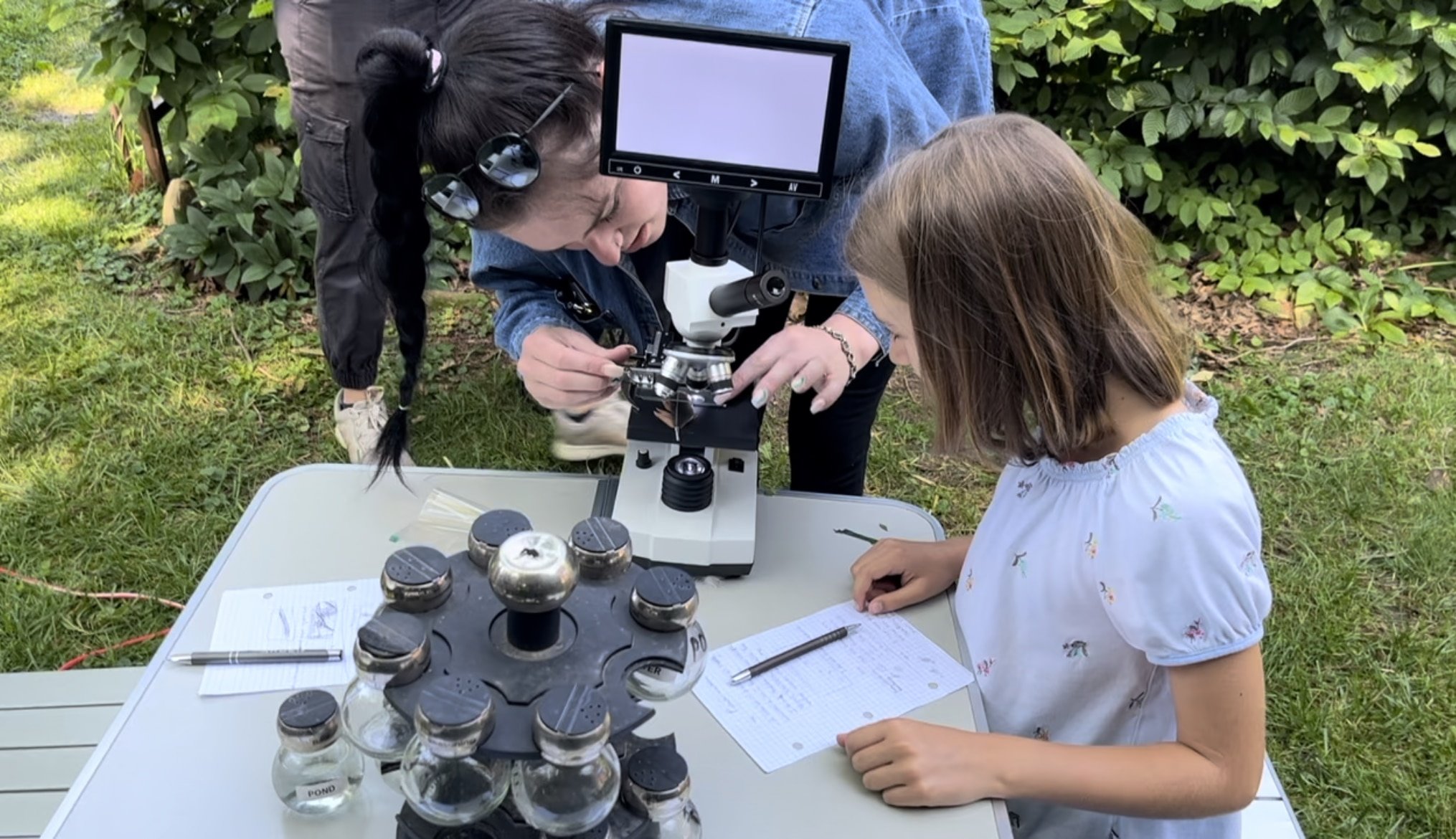
Testing Water Purity and Turbidity
This design challenge explores three routes to sterilizing water for human and animal consumption. The three routes will include chemical, energy, and ecological sterilization processes.
The goal of the design challenge is to introduce kids to the details of water sterilization, dangers, and safe use..
Each team will get a research station, clipboards, pens, empty and clean and purified two-liter water bottle systems for water sterilization within this box, posterboard and markers. The deliverables are listed under each section.
Running This Design Challenge (30 Minutes)
Introduction to Sterility (10 Minutes)
Students must open a sterilization index card that will describe how to sterilize water. They must:
Read the sterilization process card.
Gather resources to achieve the sterilization process.
Two teams must share a resource.
Teams MUST determine how they will keep their sample clear while sharing resources.
This sample will be tested for sterility by another team. No team can test its own water sample.
Understanding How Ohio EPA Determines Water Sterility
Each team must conduct research on one of the following three features of water Safety:
Cholera - What is it? How is it transmitted? Is it deadly?
Malaria - What is it? How is it transmitted? Is it deadly?
Giardia - What is it? How is it transmitted? Is it deadly?
Each team must present a paragraph that describes the dangers and protective measures for overcoming each pathogenic water diseases.
Sterilization Challenge (1 Hour - 2 days)
Solar Purification:
This team must sterilize water using only the sun, an enclosed pressure, and natural evaporation.
This process may require more than one day.
The MenTern needs to moderate the amount of time this will require.
Deliverable: A sample of pure water of at least one ounce and a marketing idea for a name for this type of sterile water. This sample must also carry a warning that this water is not safe to drink without trace elements and minerals.
Chemical Purification
This team must create a sterile sample of water from a previously purified 1 liter of water.
This water must be sterilized using bromide and lemon juice and exposed to sunlight.
The sample must be accessible to sunlight, but sealed from the environment.
Deliverable: A poster describing how closed sterilization chemical systems can deliver fresh water.
Thermal Purification
This team must determine how to safely boil water and keep the water sample pure from the boiling to sterilize not only the water - but the container as well..
The addition of an UV light is also allowed in this instance.
Deliverable: A poster describing why health departmnents issue “boil warnings” and how medical sterilization systems can deliver fresh water.
Putting It Together (30 Minutes)
In this section of the Water Sterilization Design Challenge, students will be given the opportunity to sell and market their sterile water product. Each team must create a compelling use, name, logo, and benefit for their water. How will they use it? Drinking, plant watering, or animal watering?
They must demonstrate mastery of the systems, and biology underlying the sterilization of water and relate its importance to people and animals, plants, or mechanical systems that rely on fresh access to water.
Presentation
Have each team present their deliverable on a video and give a 30-60 second breakdown on what they learned and created. Have them write the script, film it, edit it and upload it to youTube.
