
How Menterns Can Save The World

Working together to save the world!
Part Mentor and part Intern, the MenTerns are here at Mezzacello Urban Farm to explore, learn, and teach how we can empower our youth to save the world for themselves. They will live in and change this world. They are invested in saving it. Kids are aware enough that they need to do something, something bold, brave, and different. They needed a safe and gracious place to practice, fail, recover, and triumph. This is the story of how MenTerns can save the world.
What is Mezzacello Urban Farm?
Mezzacello Urban Farm is an urban farm 501(c)3 non-profit that has a simple mission: Grow, Maintain, Sustain, Explain.
Grow the awareness of kids and families about how food is grown, and what technology and applied STEM concepts would mean the most to them.
Maintain an urban farm similar to what they would see at school, but one that is taken care of year-round and allows kids to get hands-on experience — especially in summer.
Sustain their health, awareness, wellness and the integrated ecologies of Mezzacello Urban Farm with farming, robotics, automation, renewable power, water, soil, and fertilizers.
Explain it to them in the language and location where they live — not on a far away farm — but in their neighborhood, and let them explore the intersection of food and workforce skills.
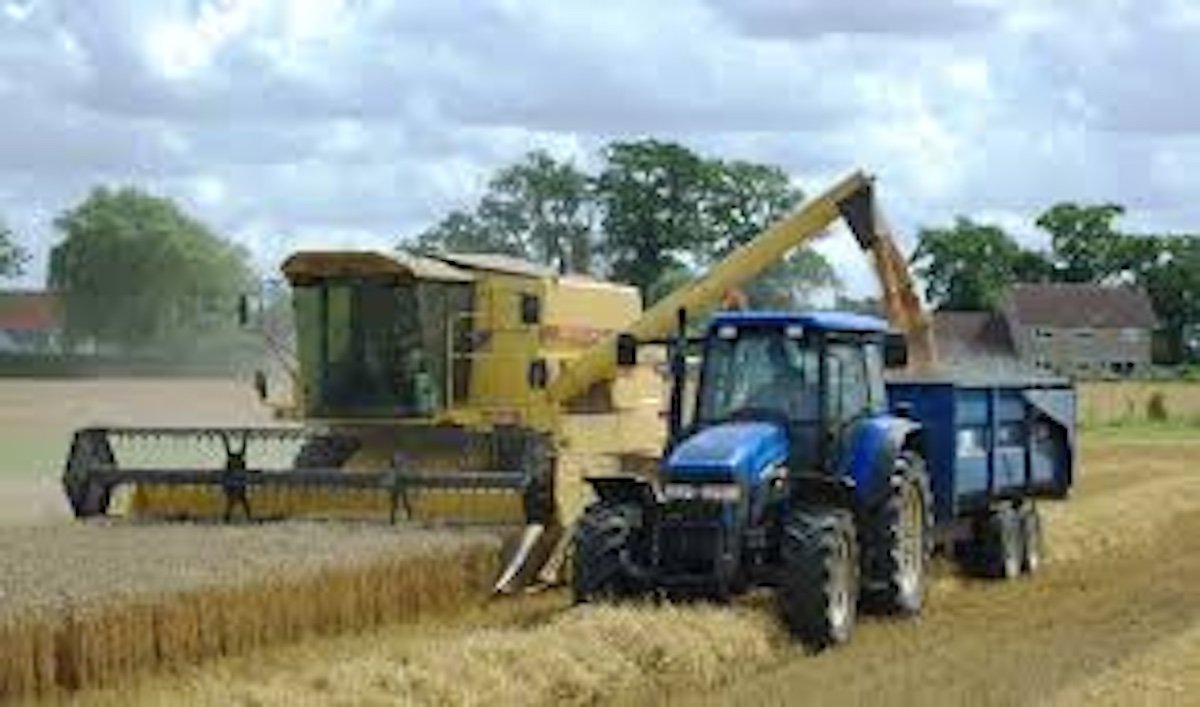
A traditional rural farm
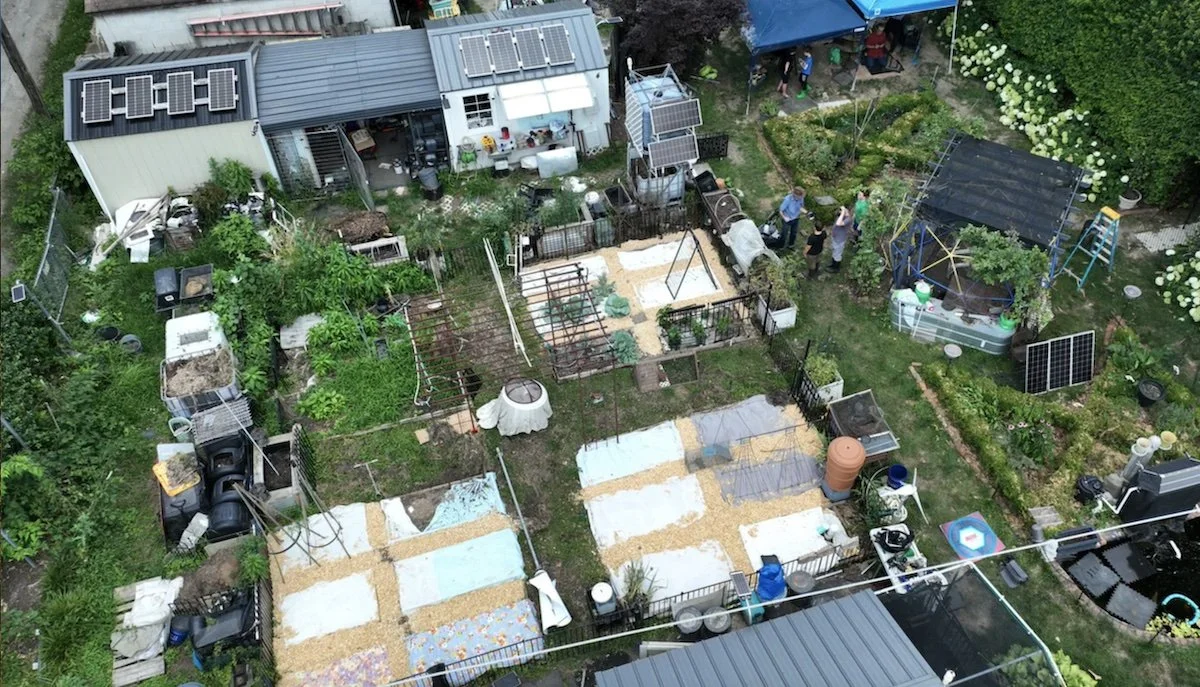
A modern urban farm in downtown Columbus, OH
After working for 20 years in STEM education, and 10 Years administering school garden infrastructures for STEM education, I began to build the perfect urban garden using all the tools, tricks, pedagogies, and equipment schools were using, but abandoning in the summer. As the systems became more complex, the farm became more automated and sustainable.
Today, Mezzacello Urban Farm is a complex of 10 enclosed, integrated, and interdependent ecologies. We offer programming courses here that cover ecology, biology, math, robotics, automation, renewable power, data science, trend analysis, as well as biotechnology and veterinary technician basics. Mezzacello Urban Farm started as an experiment, and today it is an experience designed for and built by city kids who are curious about food, fun, sustainability, technology, and the future.
The MenTern Origin Story
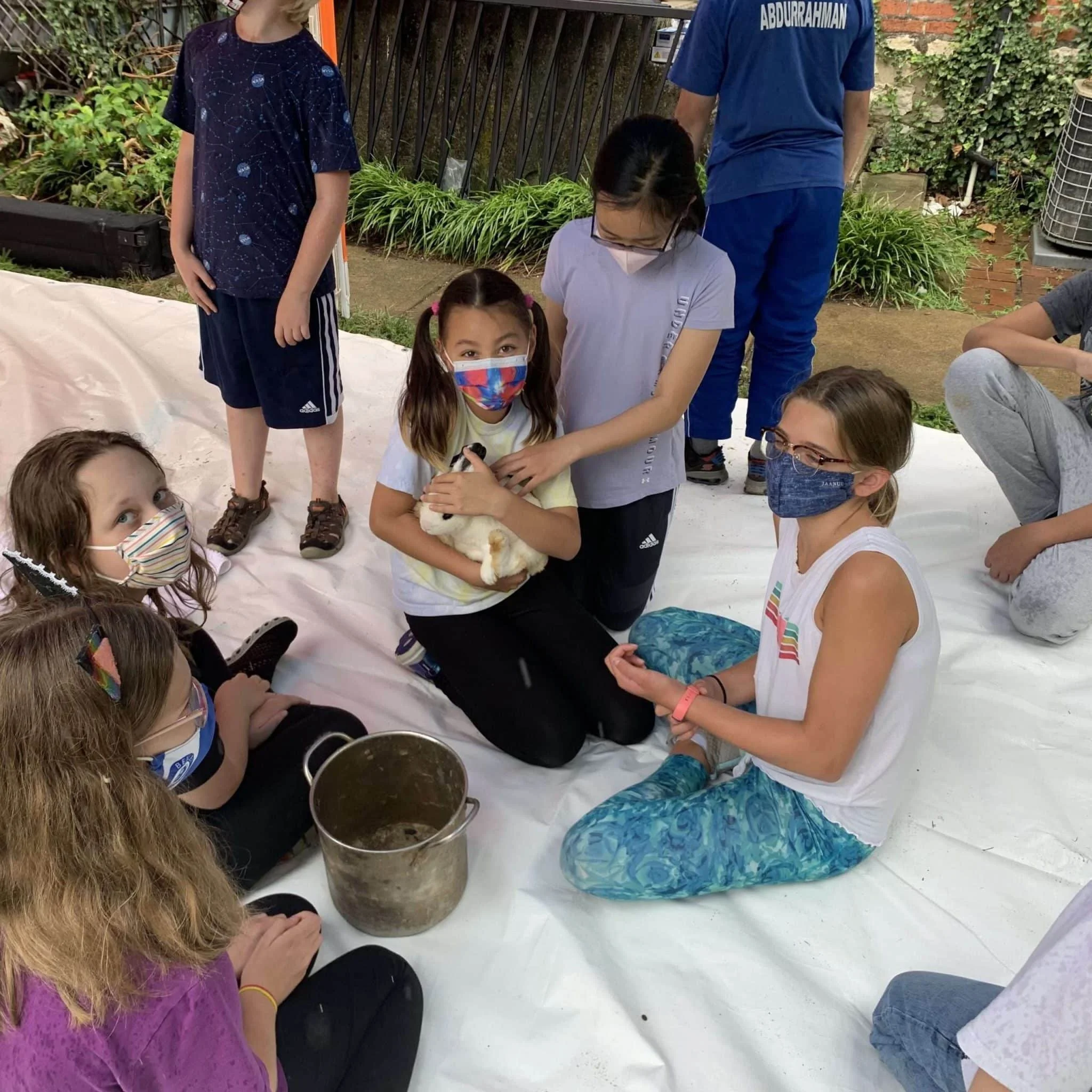
The origin of the MenTern journey in summer 2021
In the summer of 2021 with COVID19 Lockdown just ended, Mezzacello Urban Farm ran it’s first outdoor STEM Farming Summer Camp, “Mission to Mars”. The camp explored how we could reframe “farming” to include advanced technology, robotics, automation, biology, and renewable resources. The goal of this camp, underwritten by The Ohio Farm Bureau and The PAST Foundation, was to empower young people to reframe how farming could translate into 100s of career pathways. It worked and the kids loved it.

Mezzacello Urban Farm from outside the potager garden
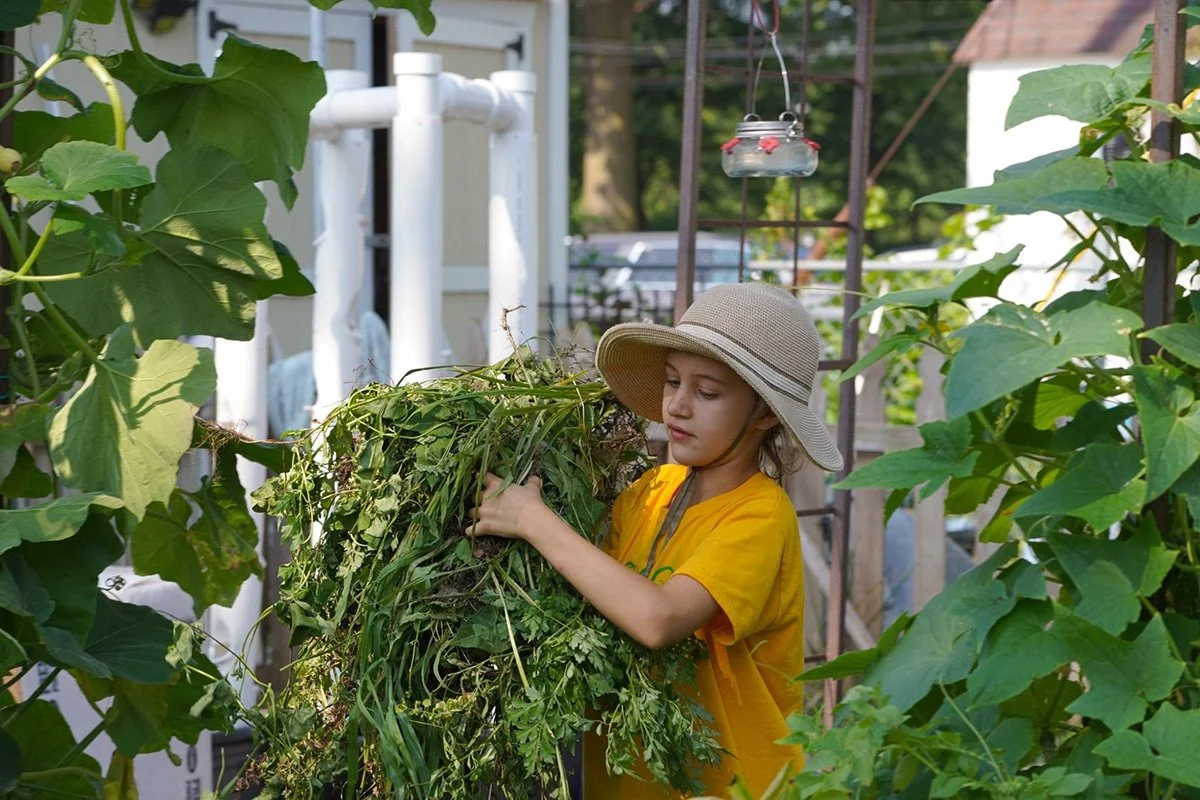
Farming and STEM can coexist.
“The kids knew instinctively that confidence was built, not given. What they didn’t know was that confidence is a gift we give ourselves.”
The skills that stood out above all others was the need for leadership and confidence building. Without them, the applied STEM teaching and learning and the relationship to career readiness were uncertain and less effective.
Kids loved the hands-on learning and real-world problem-solving, but they were terrified of failure and unsure how to ask for permission or leverage confidence. This was were the seed of the MenTern was born.
The following year, Mezzacello Urban Farm ran another series of camps called Project BioLEGO. In this series of four camps, three teams were built around a particular trait that leaders have to have to be successful. There was team confidence, courage, and team grit. The kids knew instinctively that confidence was built, not given. What they didn’t know was that confidence is a gift we give ourselves.
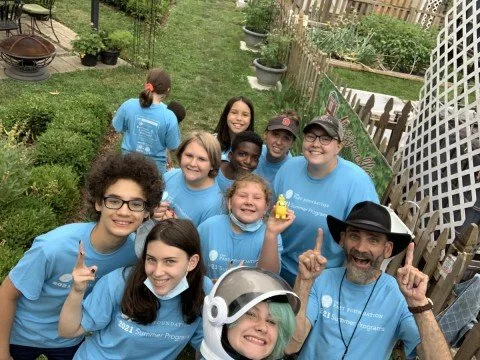
The First Cohort, Mission to Mars and Project BioLEGO
The leaders were there, but the patterns hadn’t emerged yet.
The Structure of a MenTern: The LEGO Principle
It was becoming apparent that some kids just had a knack for engineering, art, robotics, animal handling, and even leadership. These kids always ended up being the team lead. It was as if they were the first LEGO that was put in place. Their genius would carry and inspire the rest. That idea struck me. I created a game called “Leadership Roulette” and gave every kid an opportunity to be a leader.
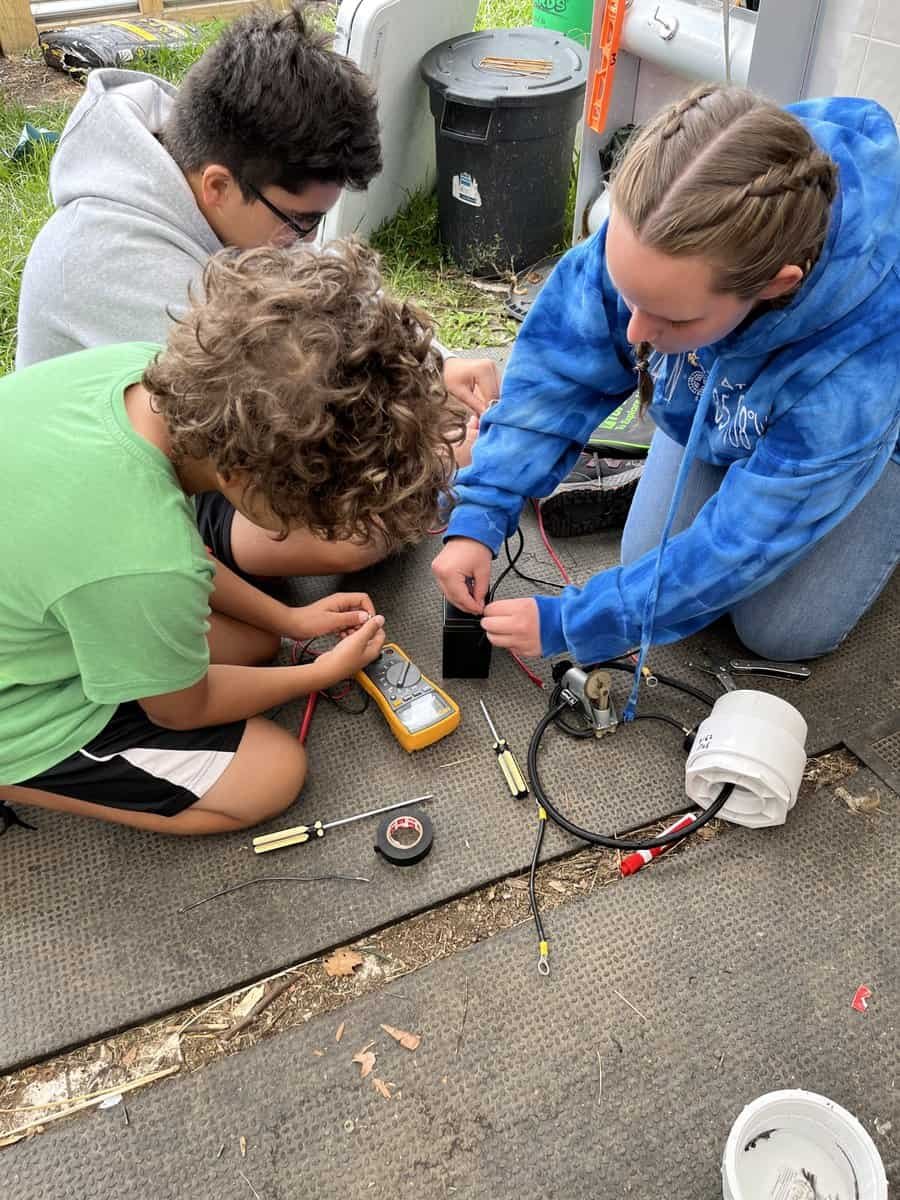
Show, don’t tell. Let them grow their muscle memory of success.
The catch was that whoever was the leader for the previous day had to train the next day’s random leader on how to be a leader. This was done in one of three tangible ways:
They could make a video with the new leader.
They could write a series of haikus or a poem in the logarithmic language of PigLatin on the art of leadership, or
They could serve as a lieutenant to the “chosen leader” and offer advice all day and just shadow them to help and guide them.
It turns out there was no more preferred way to transfer knowledge. Ultimately a playbook of common strategies for being a leader was emerging — and it was entirely organic, authentic, documented, and replicable. and it required mentorship.
By the fourth camp during Project BioLEGO series (Systems Engineering), the MenTern model ws beginning to take shape. Four character traits that were critical to good leadership were beginning to emerge. These traits were:
Curiosity
Empathy
Community
and Character
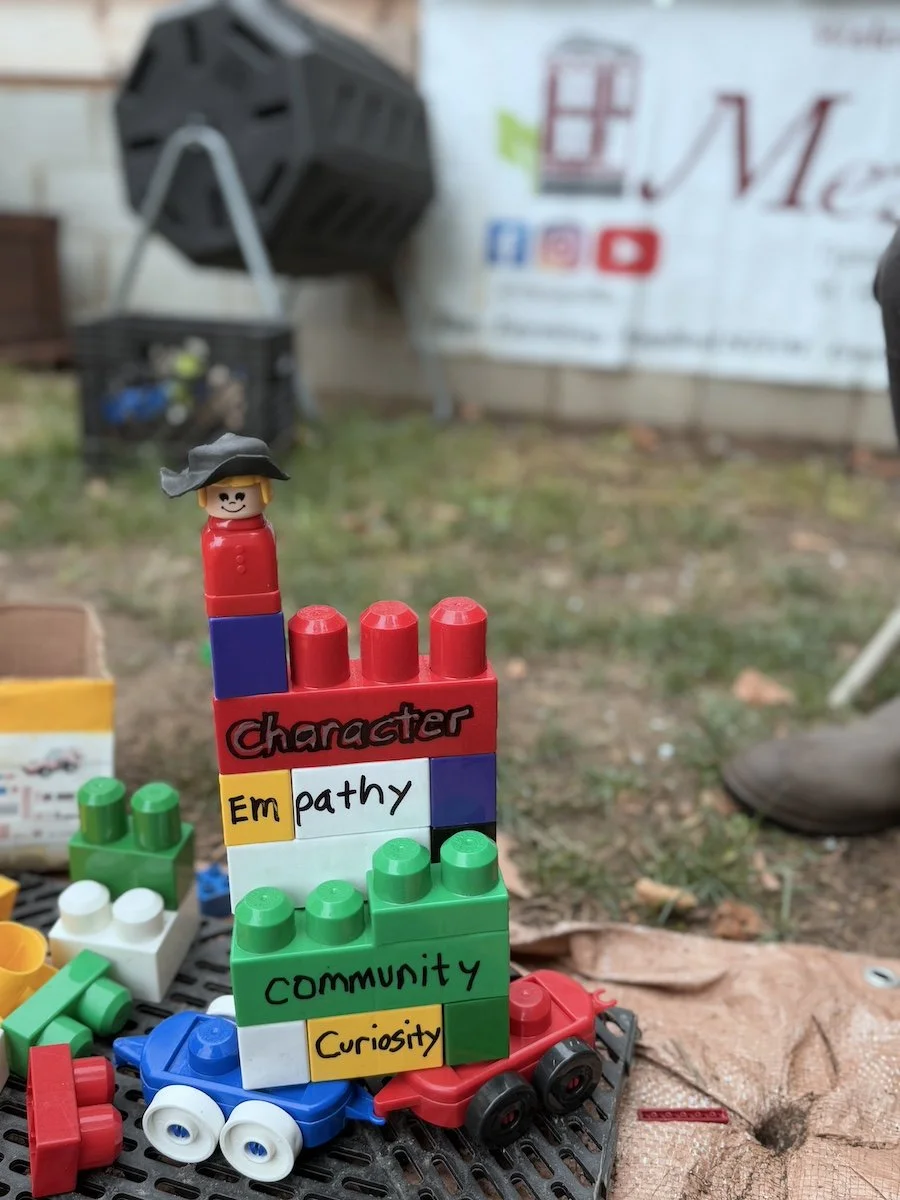
Building an effective leader like a LEGO block!
These four traits and a big dose of confidence and courage seemed to be at the heart of every successful child leader. They manifested themselves in myriad ways. From competence in a certain area of talent, or the ability to speak to anyone, children or adults.

Biochemistry, math, physics, and confidence
It was not uncommon to see kids walking around Mezzacello Urban Farm with a portable loud speaker and a microphone giving tours to parents or teaching about why nitrogen is the perfect atom for chlorophyll, DNA, and the atmosphere. Strong, clear, informed, and confident. I decided that if I ran camps again next year I was going to train interns.
Why a Mentor AND an Intern?
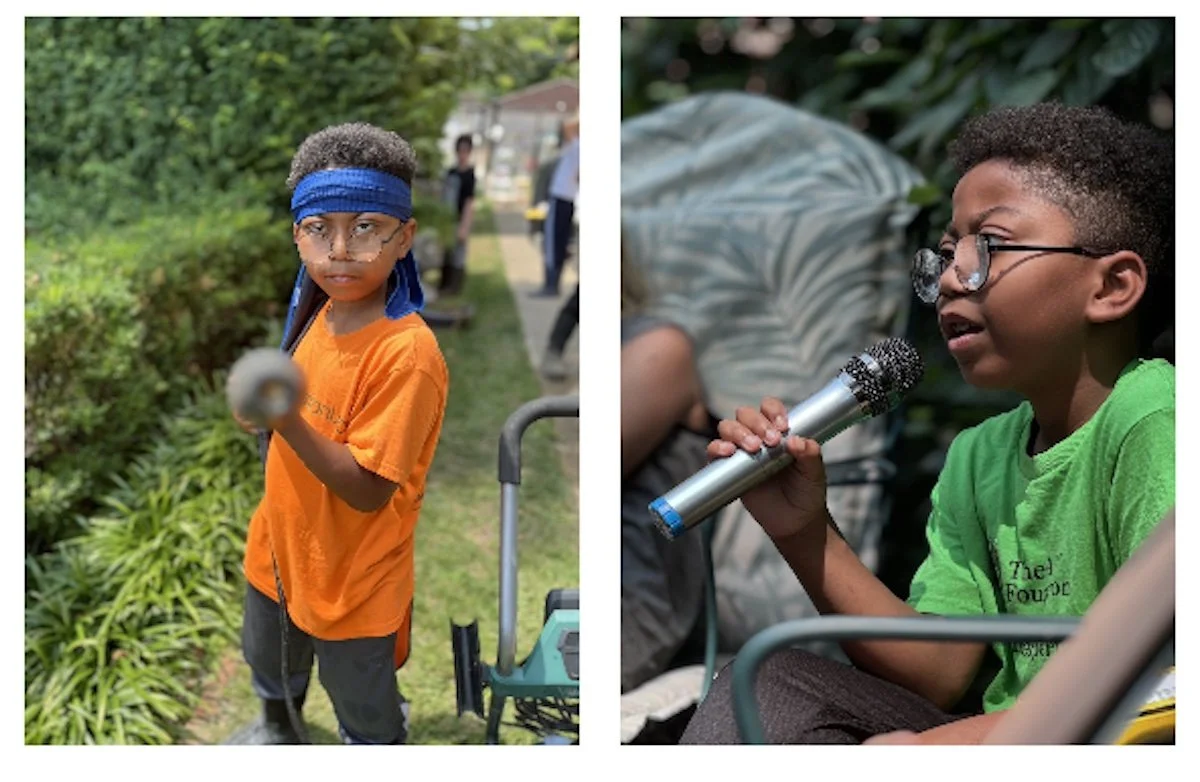
Getting things done and being a leader and a teacher
“Great leaders inherently understood the value of making people feel seen and safe, and to want to follow them as leaders. ”
Repeatedly, the most successful leaders led from a bridge perspective. They needed to meet the goals of the camp and model what the lesson plans and aligned standard were, make ME happy AND they needed to coach other kids to want to step up and lead as well. They needed to embody both of these traits to be successful.
But it was the evolution of the mentor/intern that was most critical: Great leaders inherently understood the value of making people feel seen and safe, and to want to follow them as leaders. They wanted what was best for the people they were leading and forcing people to follow was not effective. That seemed to breed fear and not confidence. Confidence was the core LEGO block.
It was at the end of these camps during that second year that these talented leaders started asking if they could lead and teach with me. I agreed to have them back and try the experiment again. Only this time, every leader had to write a blog post about their experience.
2024 The First Year of the MenTern
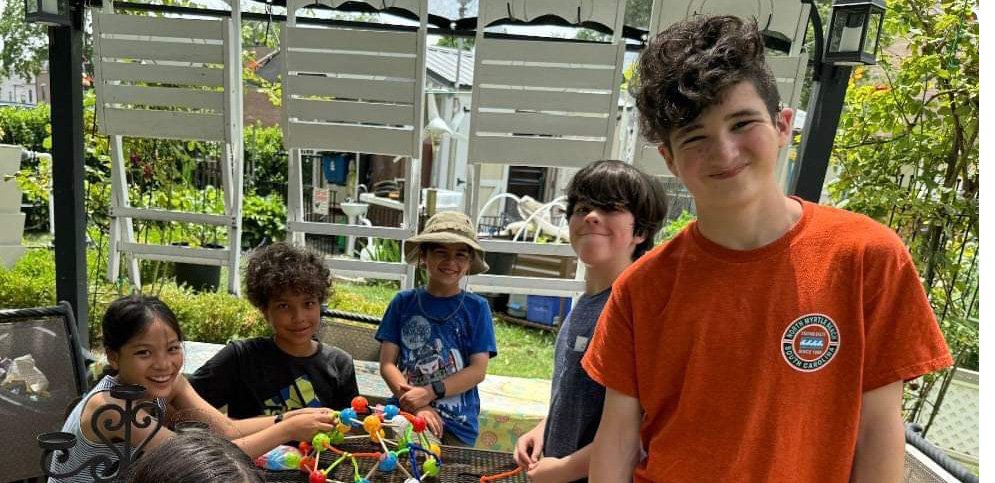
The first cohort of what would become the “MenTerns”
That first year, I identified 12 candidates that had been to my camps before and loved it. They had those engaging personalities, they were natural leaders, and they were very helpful to me and to each other. While they were MenTerns in name only at this point, they were my proof of concept and they would go on to be the first cohort of ACTUAL MenTerns.
In summer 2024, we explored what the MenTern would actually look like and how they would interact with other campers. We started working together to co-design Design Challenges (A teaching module contained within a waterproof toolbox with everything a MenTern would need to actually teach that content). It worked really well. That year we created 24 Design Challenges ranging from how to give a great presentation, quantum effects and atomic theory, how simple machines work, or how to treat a chicken for parasites or trim a rabbit’s claws.
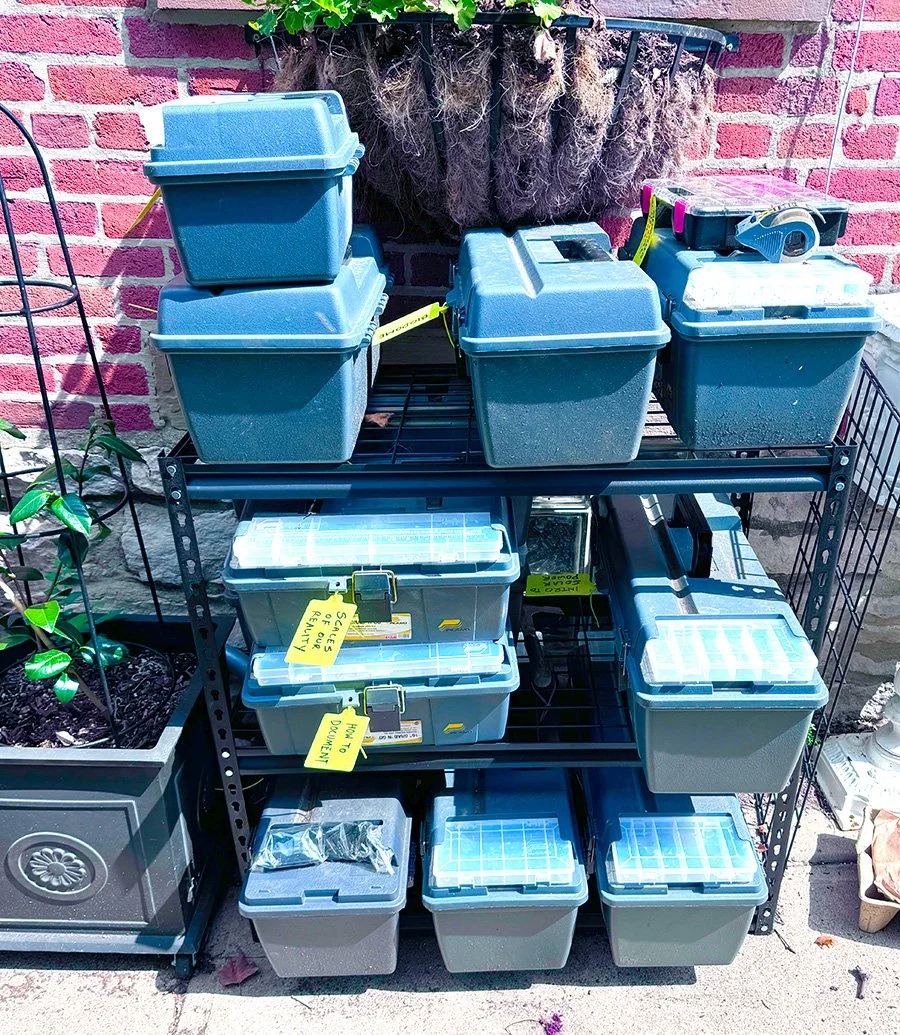
A few design challenge boxes at the ready.
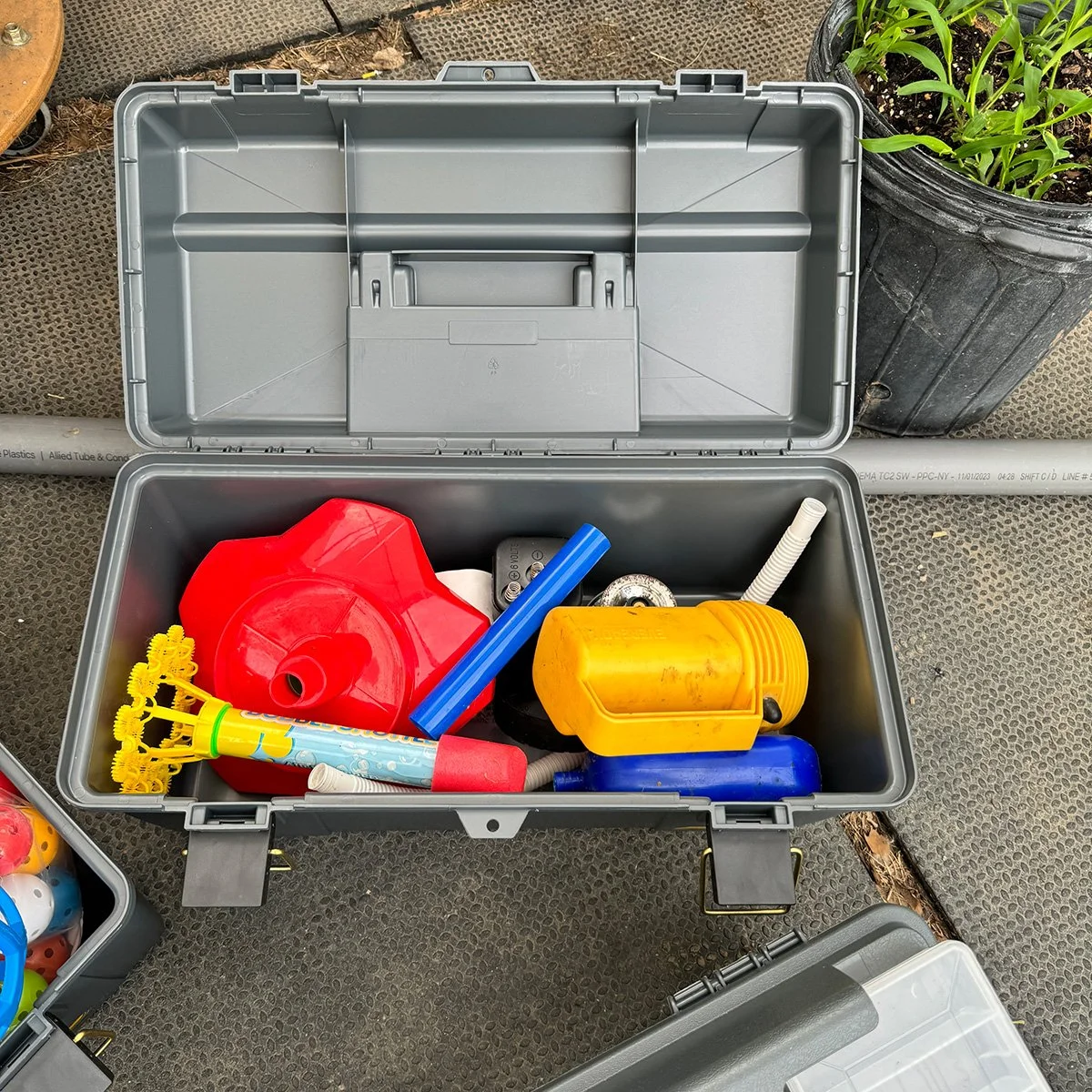
Quantum bonding at the left corner, and simple machines and you at the center. Both are design challenges.
Each time, that MenTern or MenTern team needed to instruct, they could go to that box and teach. We bought a lot of Plano toolboxes from Menard’s. And we kept them safe and dry between the bioengineering shed and the biotechnology shed. Each Design Challenge had a QR code with a link to how to teach the module and watch a video.
The First MenTerns Cohort
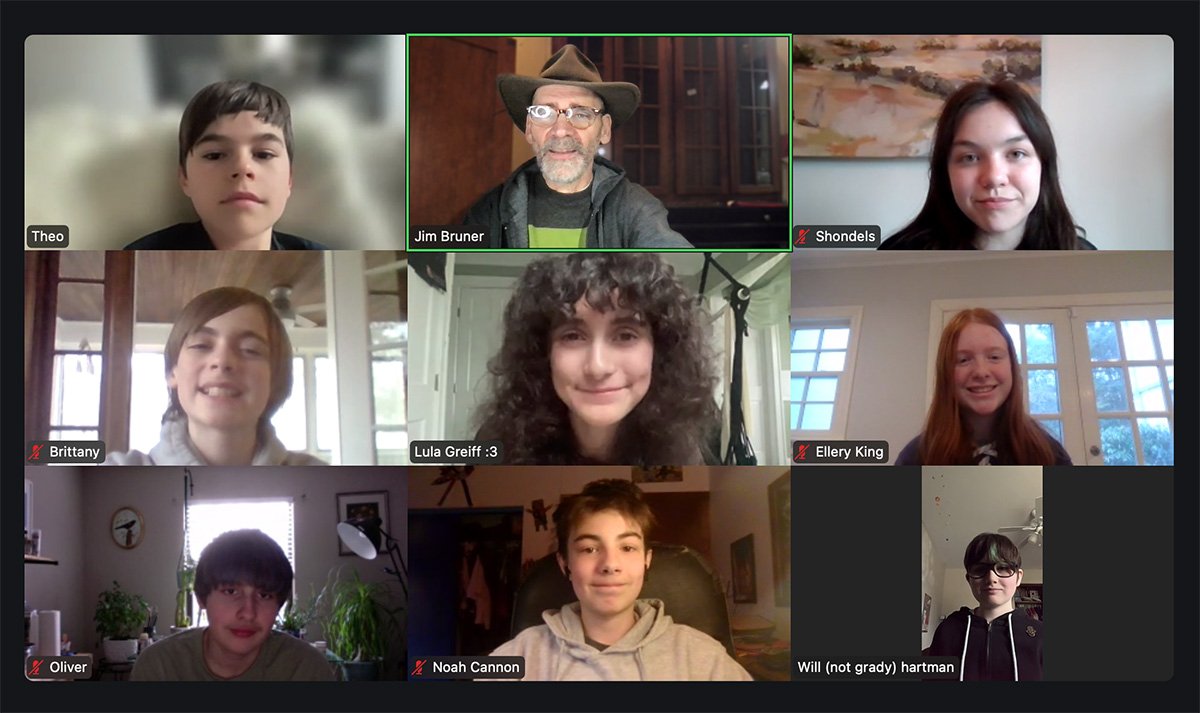
The 2025 Mezzacello MenTern Cohort

The MenTerns art they used to describe themselves.
The Cohort of MenTerns met in January, February, and March via zoom. During these three 90 minute trainings we discussed the logistics, expectations, and challenges that we were facing by running such an innovative program for the first time.
In April, the MenTerns converged at Mezzacello Urban Farm and they all met each other for the first time. We ran through what a typical camp would look like, how they would leverage their leadership, confidence, and community-building skills and teach solid applied STEM programming on a 21st Century Farm to their peers during 10 planned camps.
Life Finds a Way - Exploring how evolution, the environment, and diversity shape our world
Renewable Energy I: Power Wranglers - Introduction to physical electricity and electromagnetic theory
Renewable Energy II: More Power - Applied renewable power to do real work sustainably
Atomic Farming - How nature sees life, chemistry, biology, math, physics, and ecology from the atom up
Reimagining Recycling - Exploring aspects of the UN 17 Sustainable Development Goals on an urban farm
Partners Not Pets - Exploring biotech and vet tech skills and how humans and the ecology can live together
Simple Machines and You - Discovering and applying simple machines to solve problems in our society
How Mezzacello Harnessed The Wind - Building and testing vertical axis wind turbines and tying them into solar
Ecology Connections - How the various ecologies of Mezzacello Urban Farm support and sustain each other
Life Below Water - How water ties all of Mezzacello Urban Farm’s ecologies together and makes life possible
The Twist in 2025
Unfortunately, the cancelation of a few large awarded grants in May meant that I had to ask my board to determine if we should proceed with the project or even summer programming with a nearly $70K shortfall. I announced that I my board and I had agreed it was not sustainable to run the programs with such low attendance.
The work the MenTerns had been doing, along with two of my High School interns, Circinus and Marcus would also be wasted. We struggled with what we could do to turn this loss into something still useful, like digital content that could be tied to standards and shared as learning modules with schools. But the effort these young people had spent becoming with never be realized without authentic interactions.
The Time Is Always Right To Do What Is Right. MLK
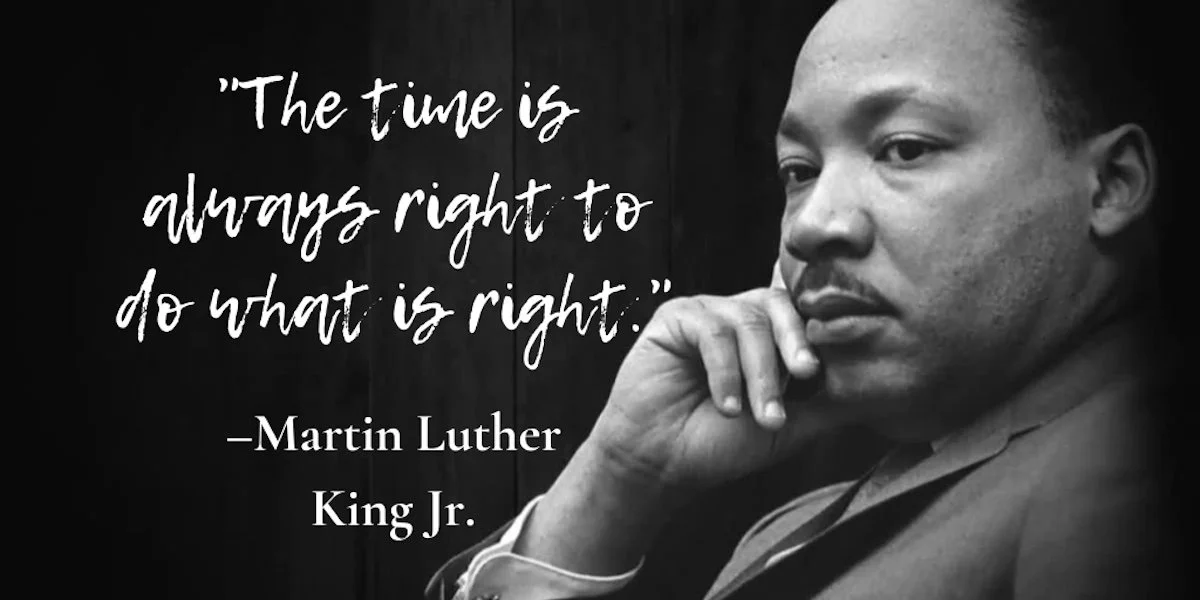
Image Courtesy of Hopeinc.com
I told the families of the MenTerns on that Friday in May, and their hearts were broken. It was a VERY sad day for me. But in hindsight, I wish I hadn’t told them. That weekend I struggled with nightmares and regret.
I just couldn’t do this. I could not disappoint these kids. They had worked so HARD to become — willingly become — leaders. What message did it send them if I just gave up? I was giving up on them, and that went against everything we had learned together.
By the following Monday when I announced I was reversing my decision, I had lost five of the 12 MenTerns. Their parents swiftly made other arrangements. It was one of the only things I regret.
The First Camp
The first camp, “Life Finds a Way” went right to plan. The campers were very quick to acknowledge that the three middle school MenTerns were my equal and worked with me at Mezzacello Urban Farm. Their natural charm and practiced confidence worked like we had planned.
In that first camp we had a diverse group of campers. 10 kids from diverse and and varied homes. They were from suburban and urban families and school districts. Kids from the same food desert where Mezzacello Urban Farm was located. There were two families of homeschhoolers, non-binary and ESL kids, and the three young MenTerns. Those young leaders were eager and ready to teach, lead, and really be change agents they knew they were.
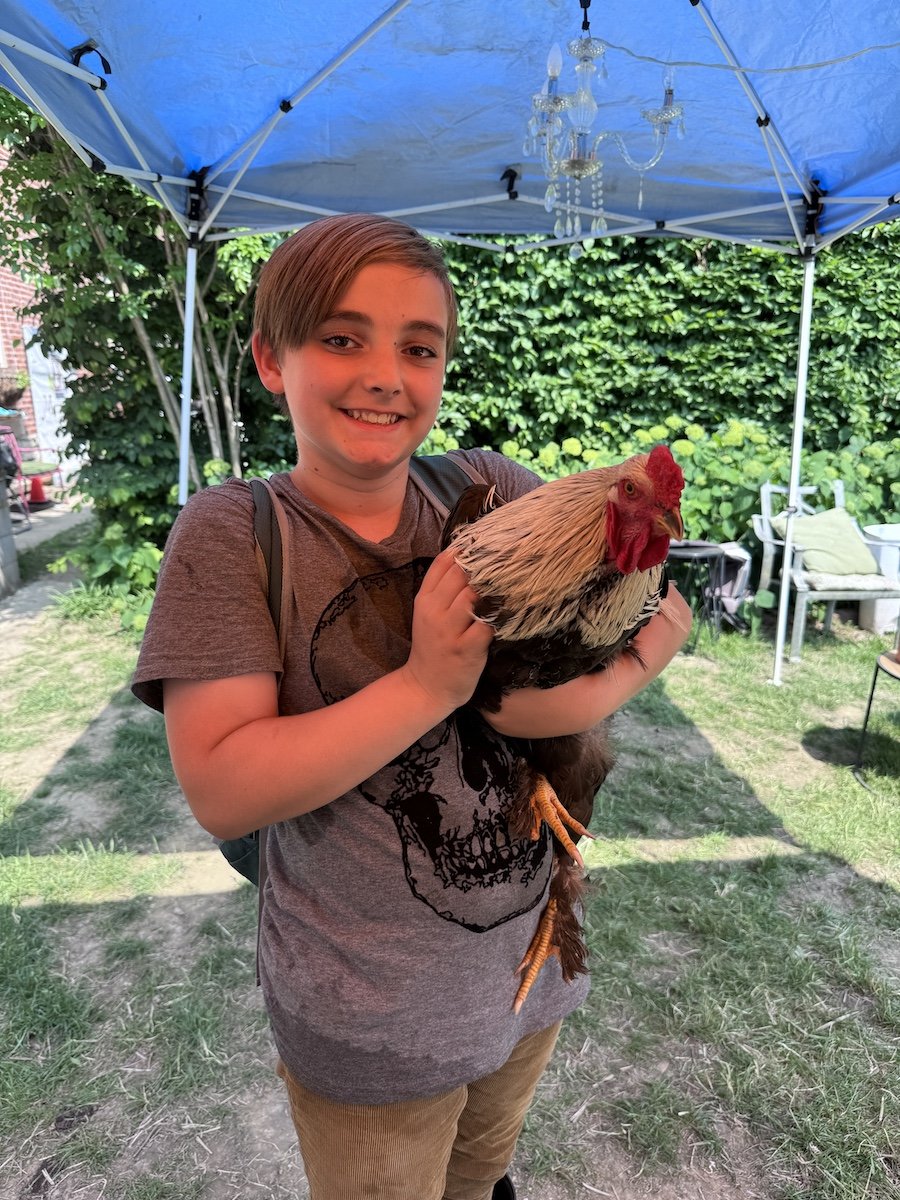
Harrison the chicken whisperer
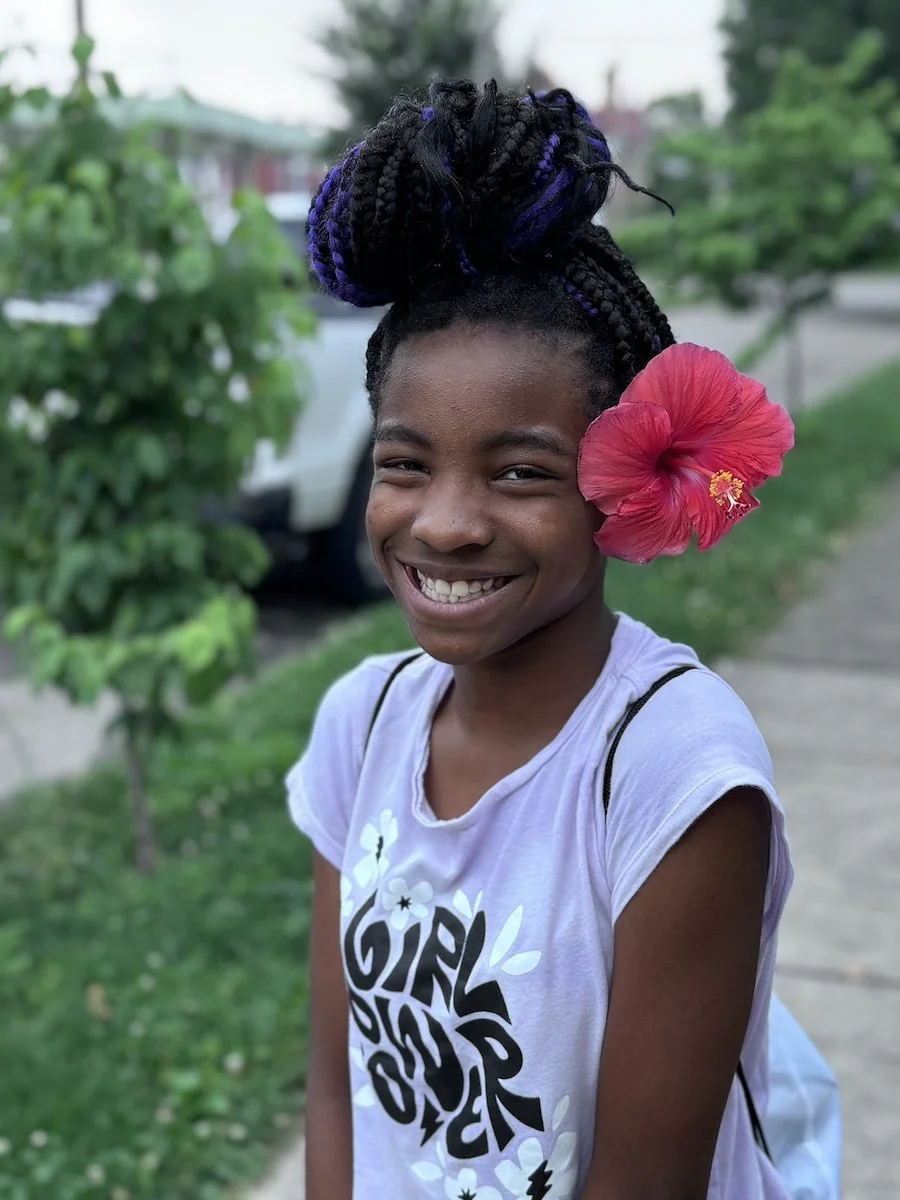
When confidence blooms, it is unstoppable
I have never been more proud of young people like I was proud of those kids. They showed up and inspired those kids (and parents) to work together and grow. Food, baby animals, ideas, skills, and most importantly, confidence and empathy. They were fantastic. And they were fantastic for the camps after as well.

Lula the leader
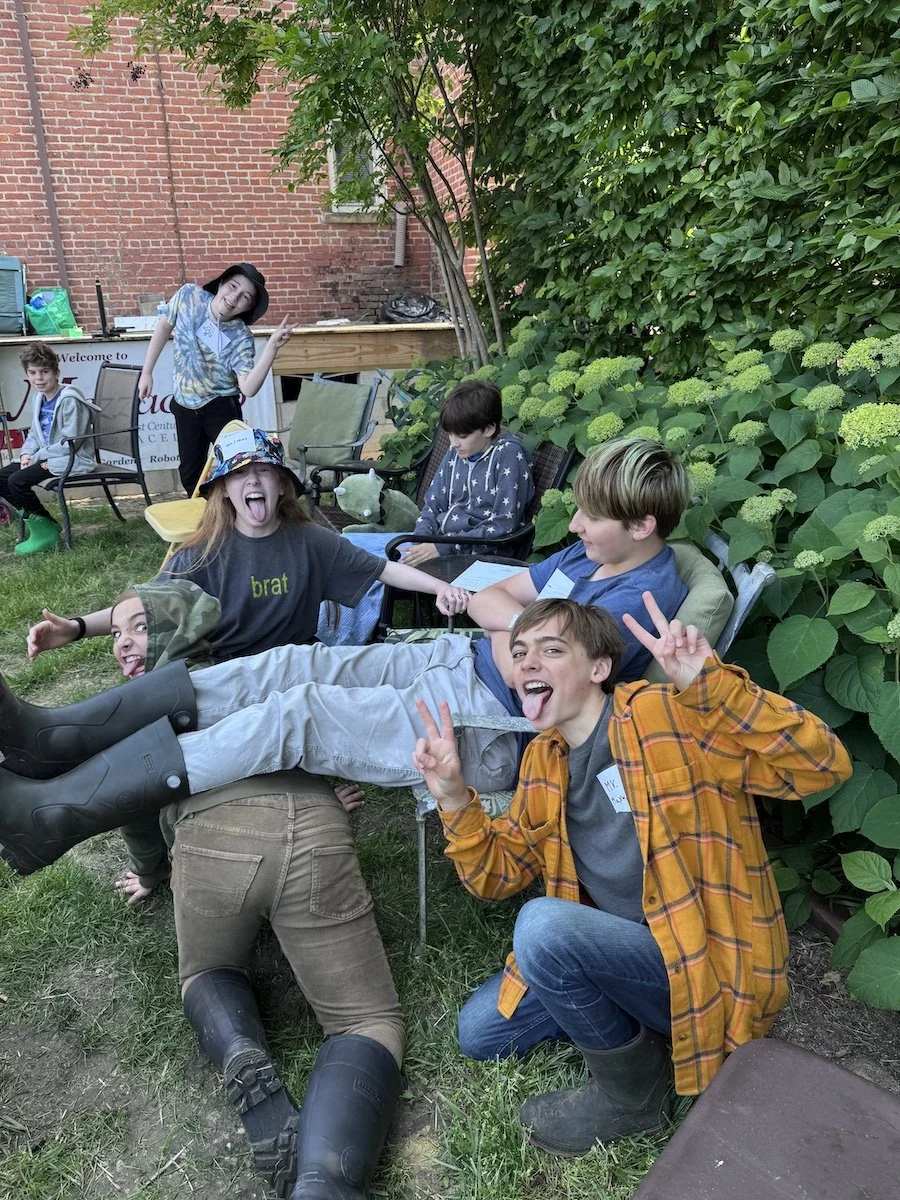
Even with #MadSkills they are still kids
The subsequent camps, “Atomic Farming” and “Reimagine Recycling” were not as well-attended, but equally engaging. Grady taught quantum entanglement and electromagnetism with playing cards and gamification. Lula asked kids to imagine the world of the very small from the perspective of an ant, a bacteria, or an atom. There was art, there were haikus, there were small plays. Juju taught children how ecologies work by creating floating ecologies in the formal fountains that would support multiple species.
Literacy and metacognition components included coding algorithms of the natural webs of life in nature as thought clouds, writing haikus and short stories, and creating scripts for YouTube shorts and Instagram reels to promote the content covered and developed by MenTerns and students.
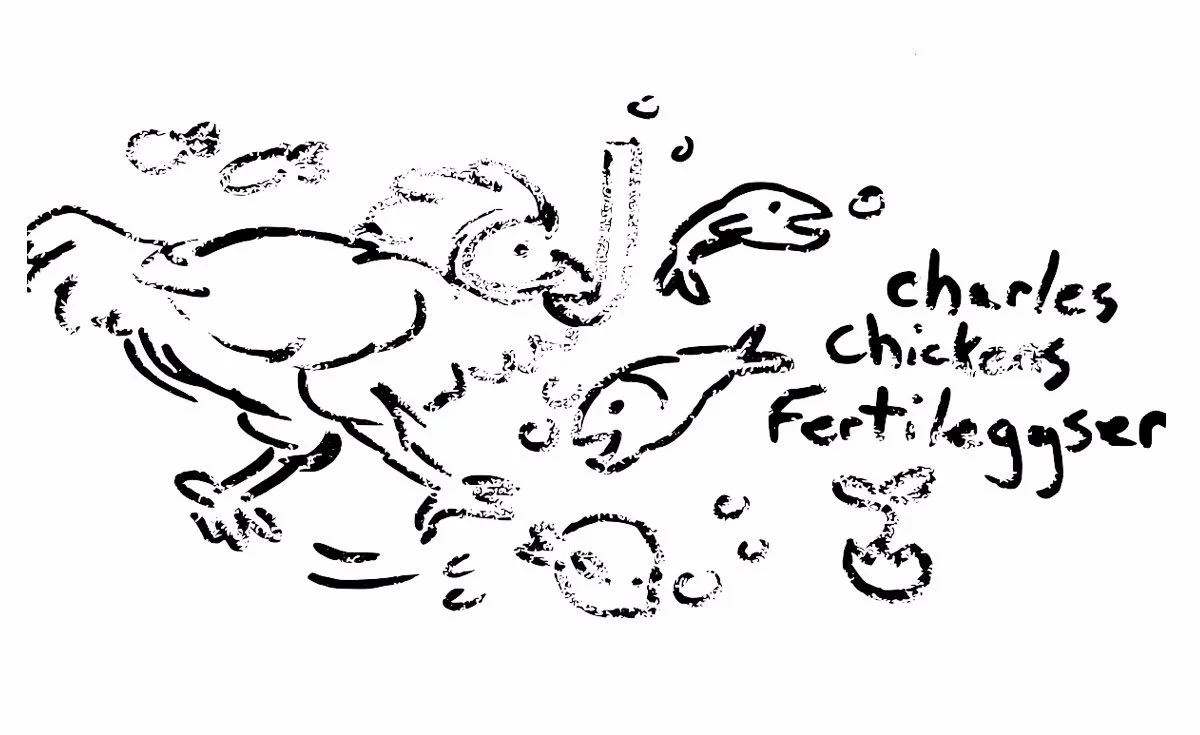
Charles Chickens Fertileggser product

Fintastic Fertilizer
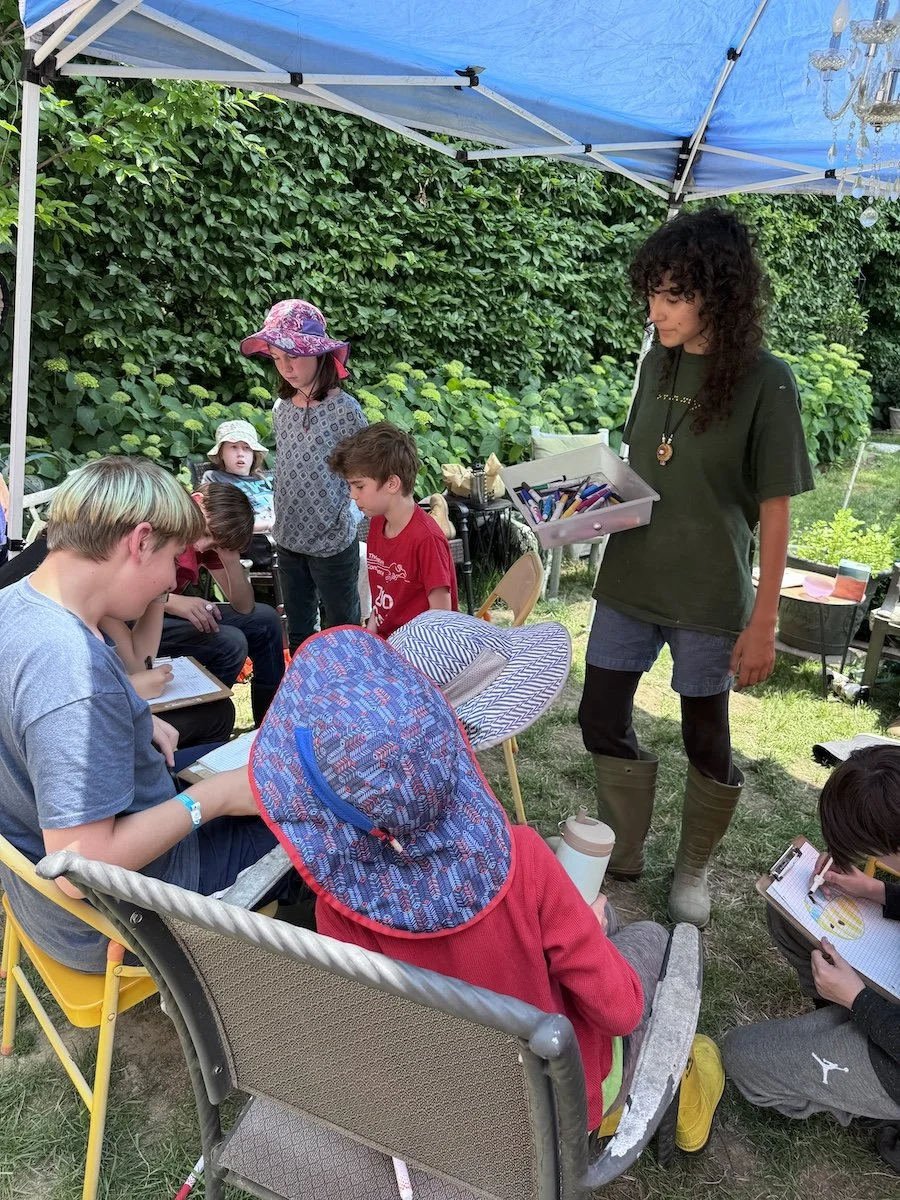
Lula teaching quantum physics with art
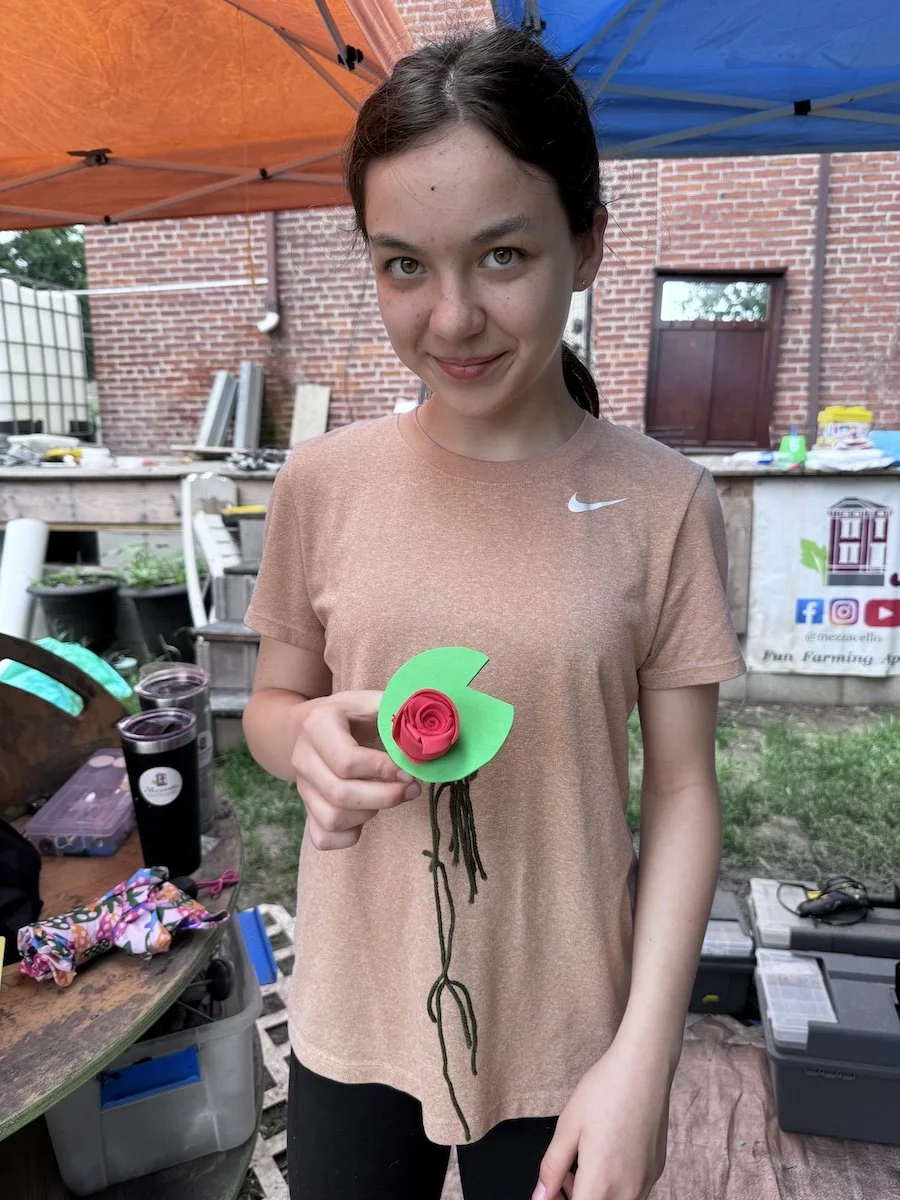
Juju and her ecology
“Partners Not Pets” encouraged the MenTerns and campers to reframe animals as partners in our urban ecology. Not just the farm animals — all animals — even the humans. They played hide and seek with thermal infrared cameras to see the world like a snake or butterfly does. They hatched baby chicks and built brooders using solar panels and rechargeable batteries and solar charge controllers.
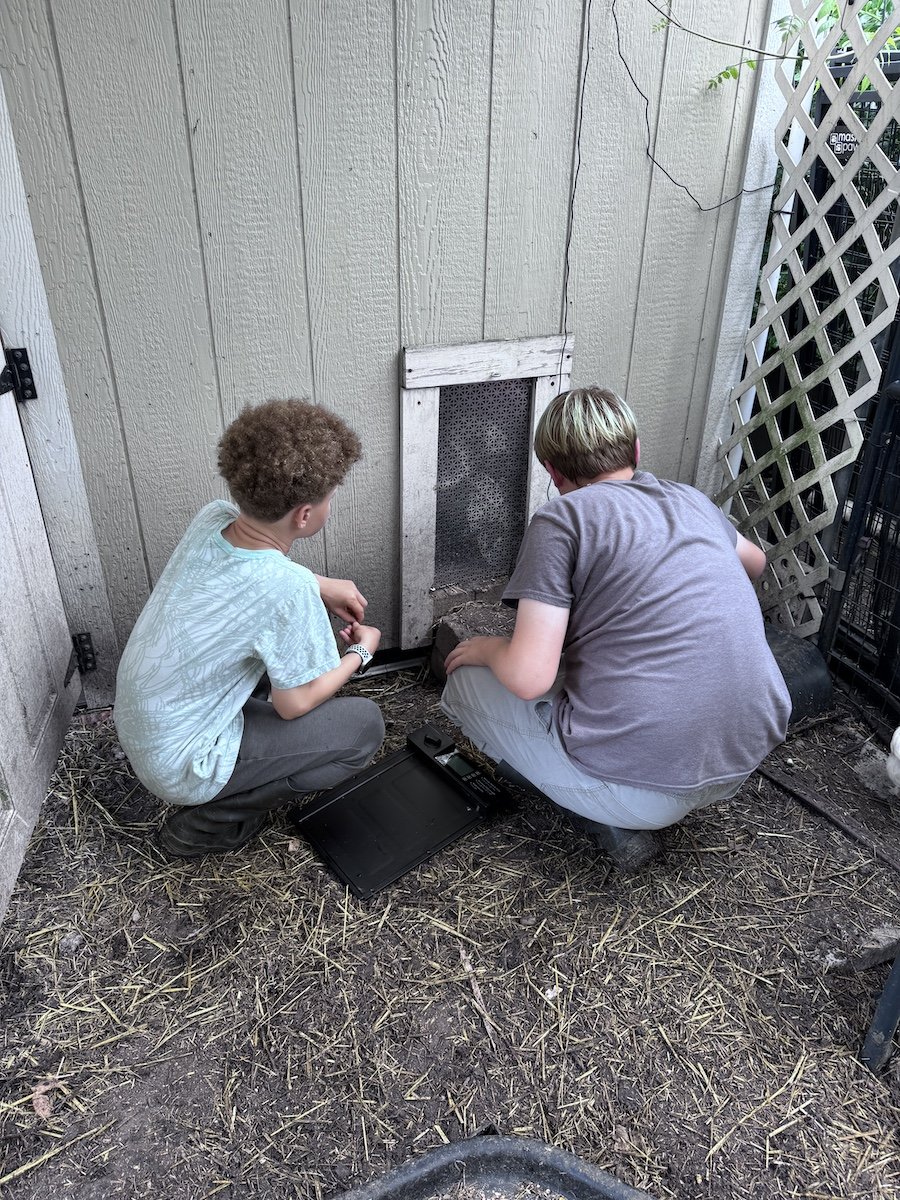
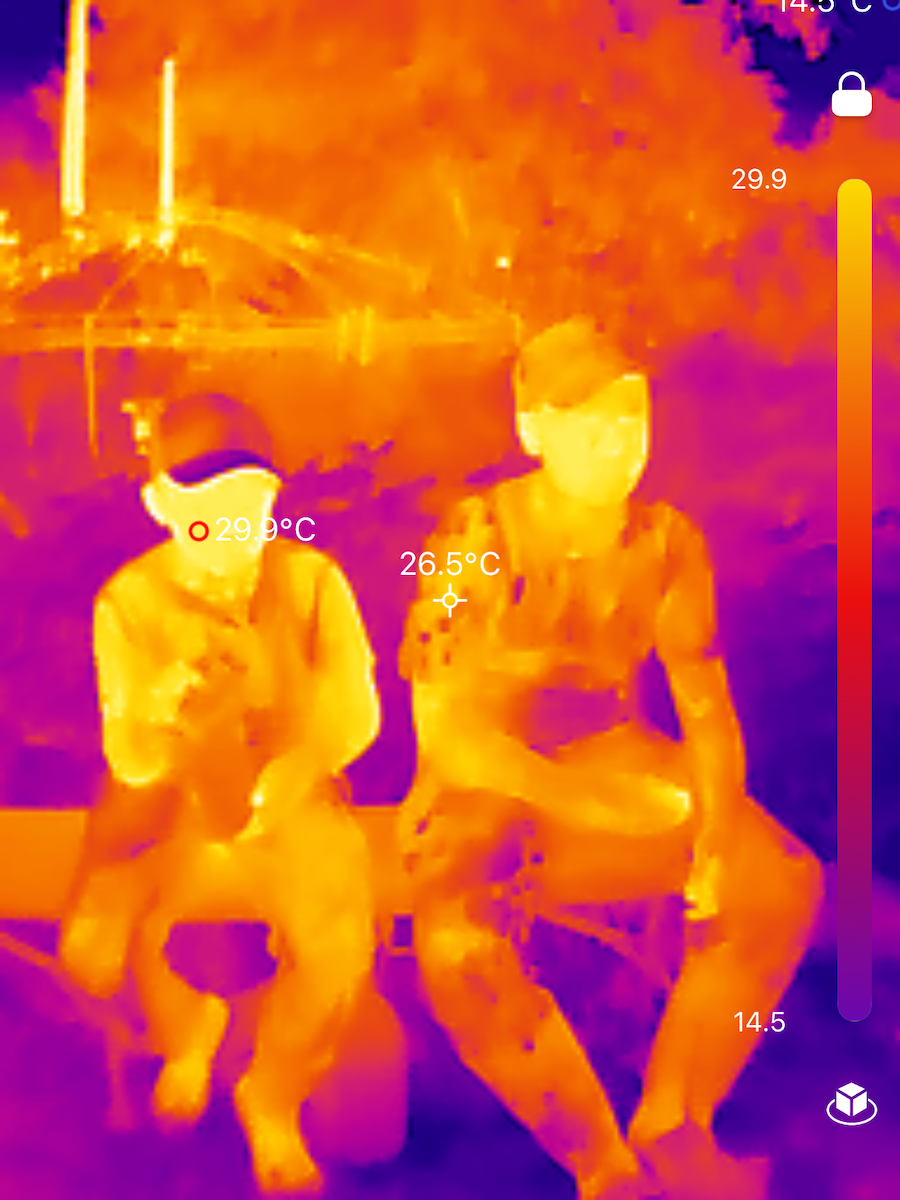
Seeing like a bird, eating cold popsicles
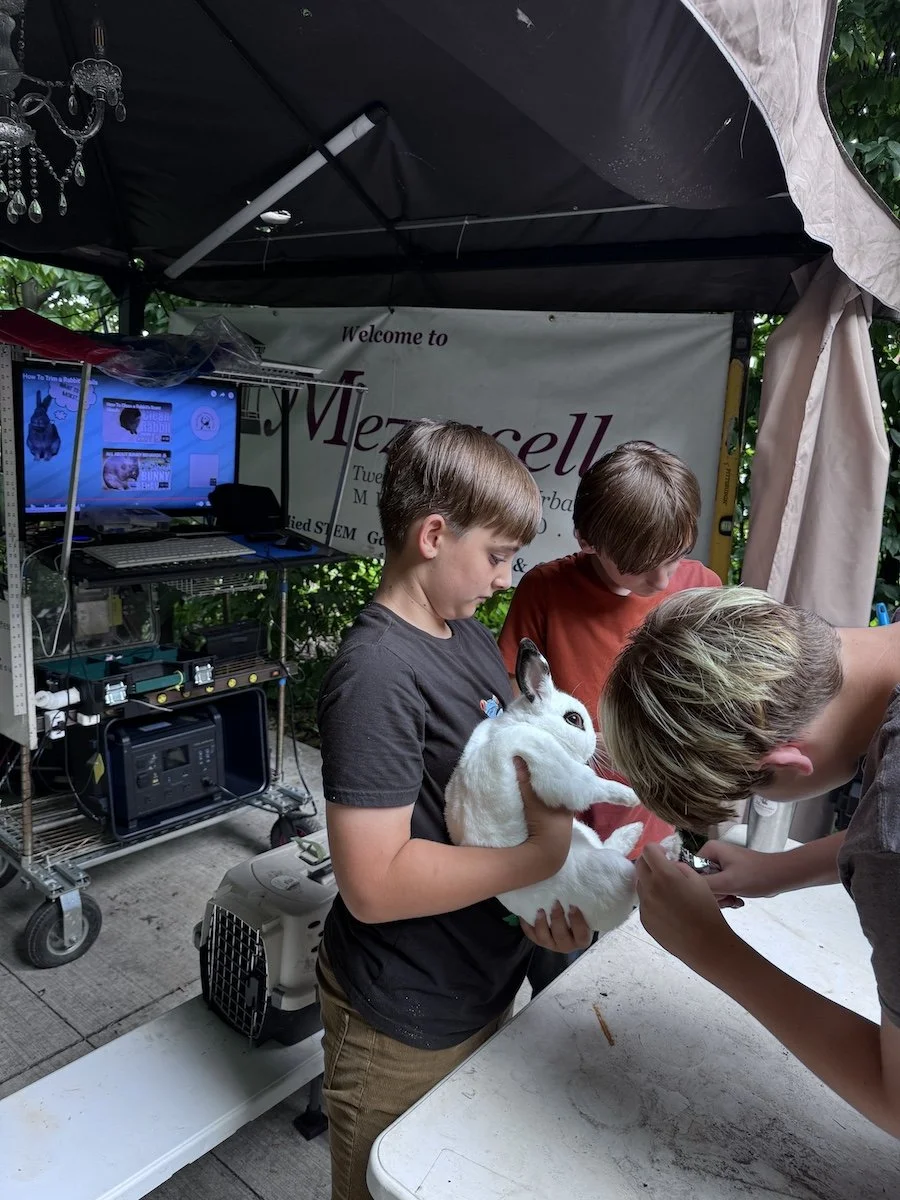
Teaching kids proper animal care
In “Simple Machines and You”, the MenTerns taught campers how we can use simple engineering to create a more diverse and equal society. How do the blind open doors? How do the deaf know when a rooster is crowing? How can technology help the least in our society? The MenTerns asked the campers to imagine a world where access to tools, supplies, and imagination, they too could make the world a better place for everyone.
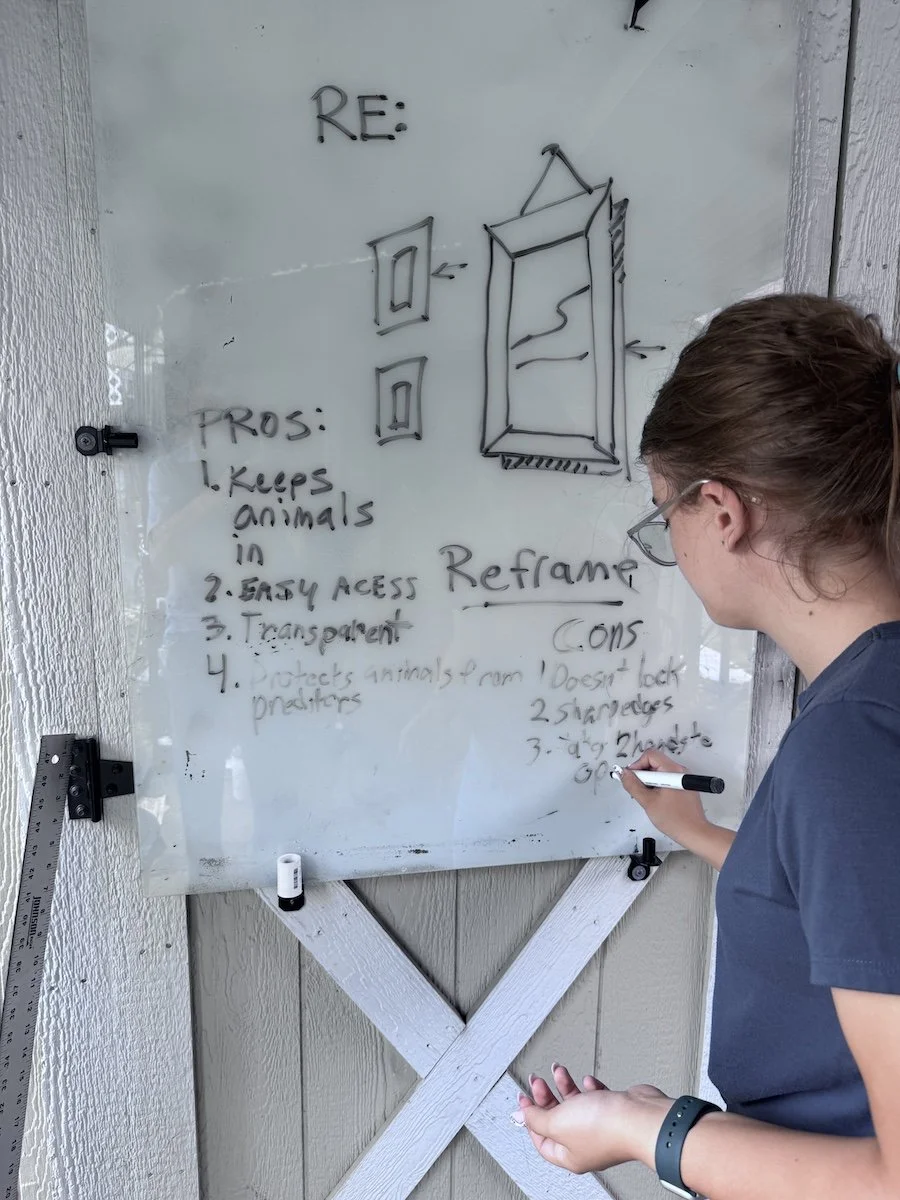
Amaya teaching campers to reframe problems as opportunities
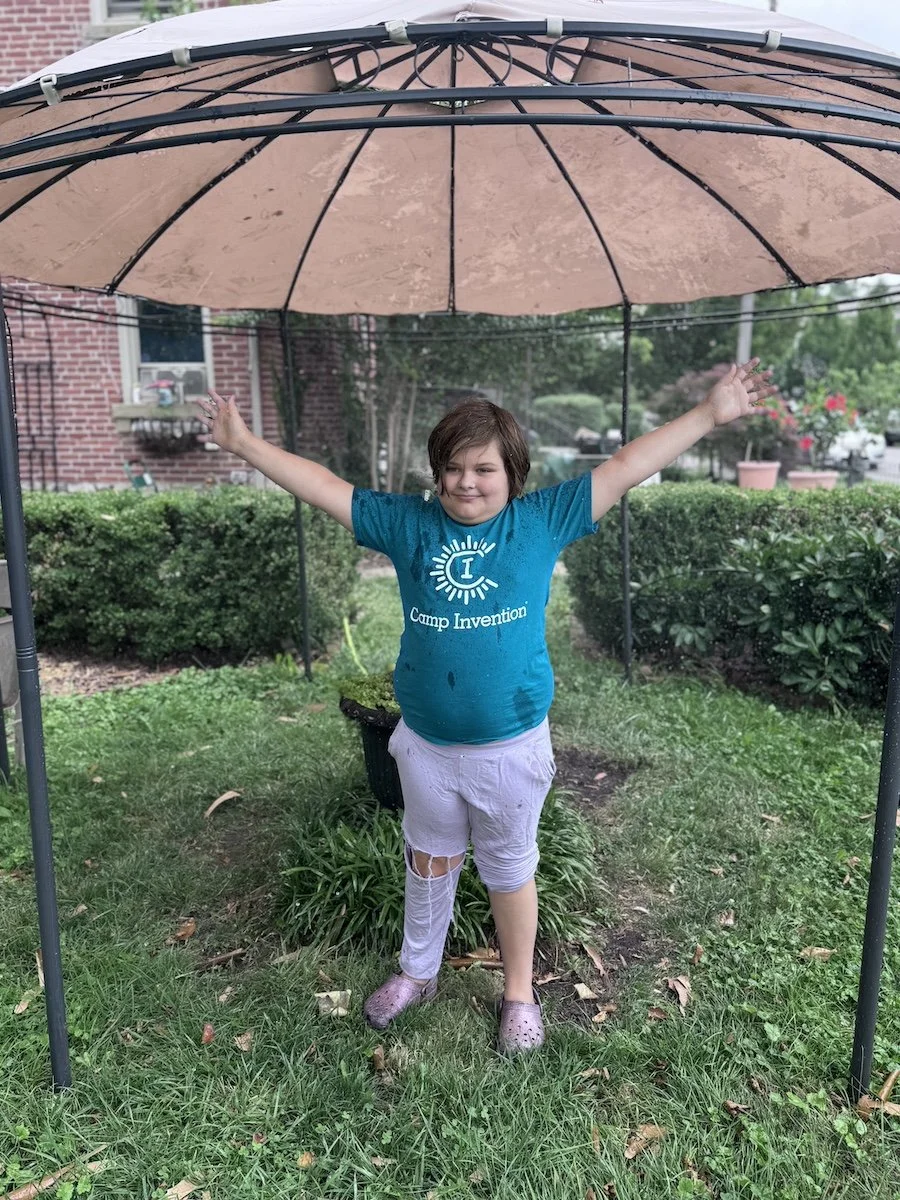
They built a mister out of a water tank, a pump, solar panels, a battery, and an arduino controller
In “Renewable Energy I” the Menterns explained the basics of physical electricity and gamified the solar panel as a leaf. They taught the nitrogen cycle, the carbon cycle, and the water cycle by allowing kids to learn how to wire solar panels and build a simple generator to charge the phones of the kids, and the computers at Mezzacello Urban Farm to research those cycles and how we could change communities with solar panels, wire, batteries and vertical axis wind turbines on our streets.
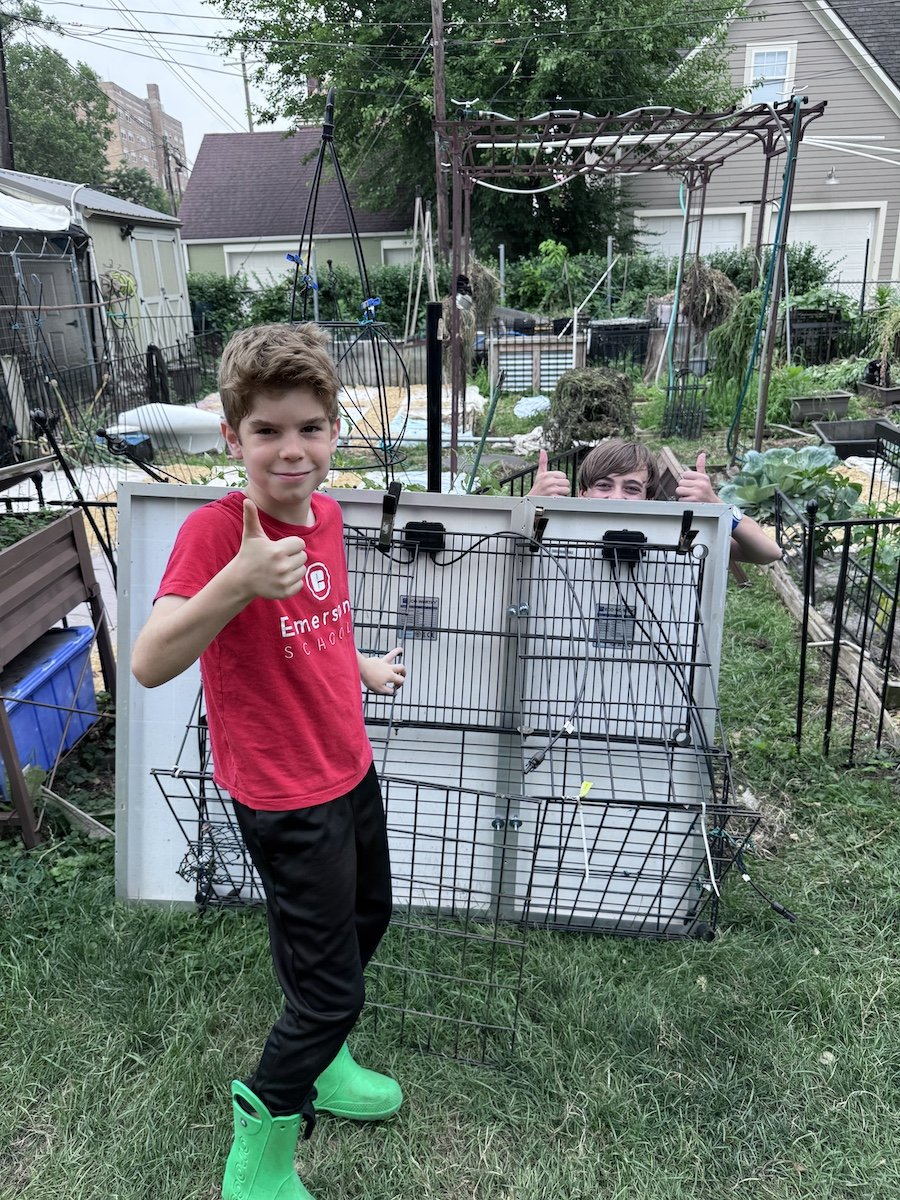
Solar panels and power
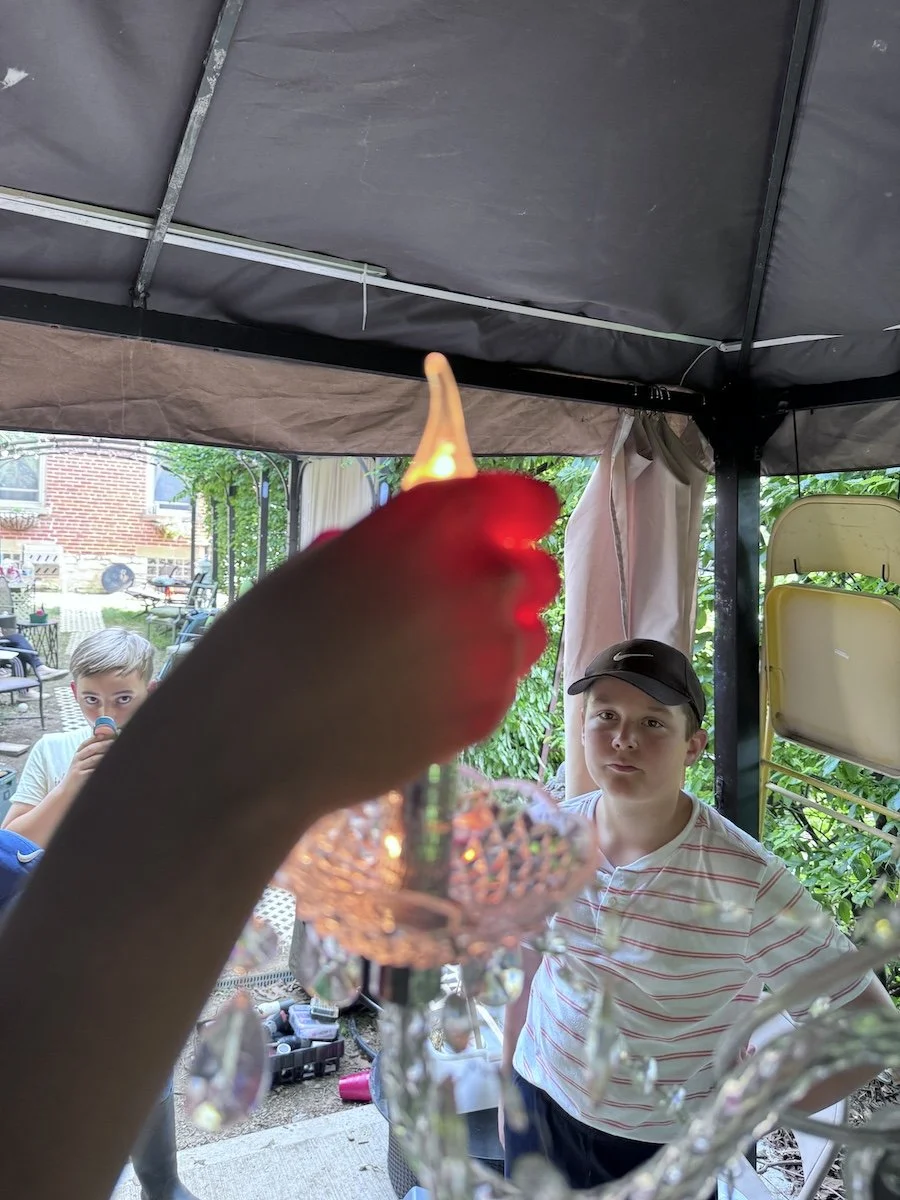
Confidence with physical electricity
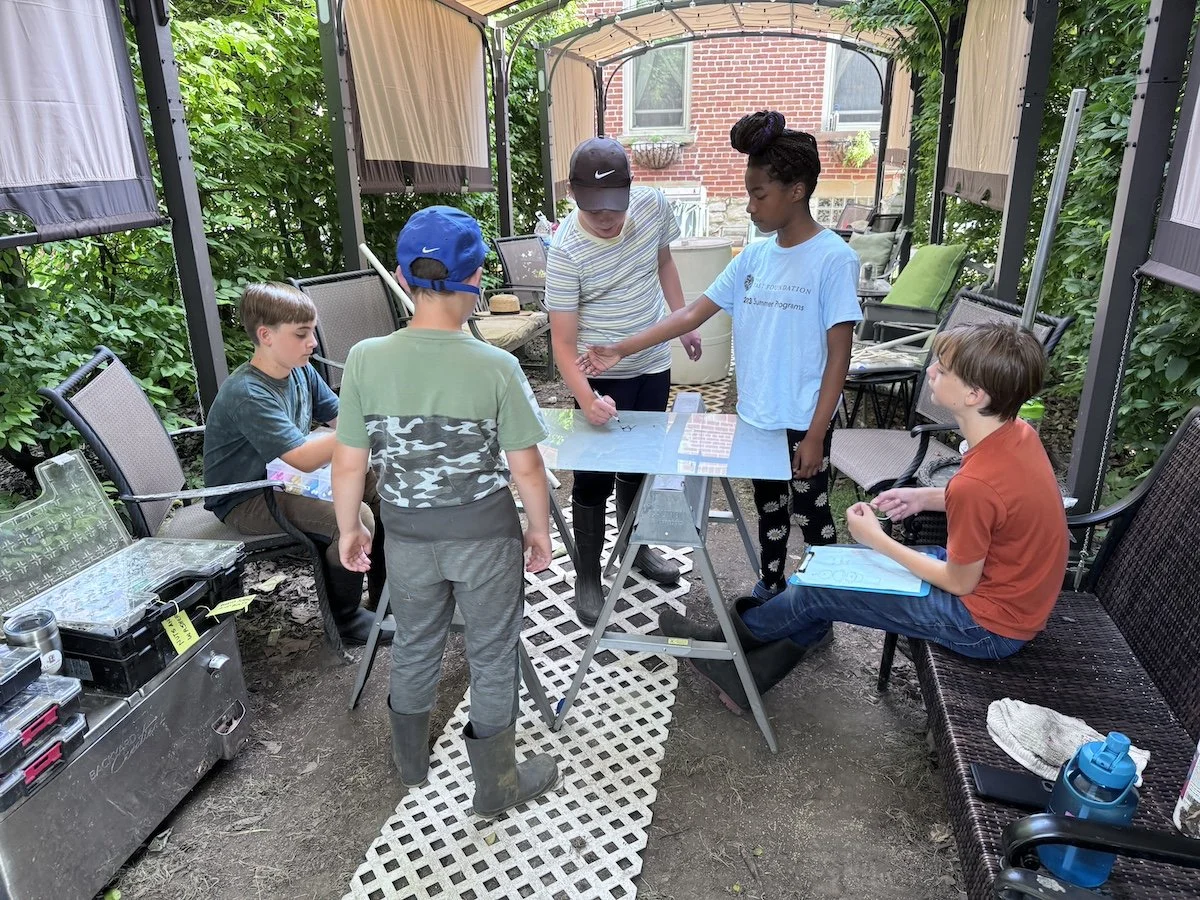
Crafting an energy strategy
“Renewable Energy II” empowered kids to take what they had learned in renewable Energy I and apply it. They explored solar arrays, battery banks, water mills, wind turbines, and generators. They executed the strategic plan for solving a real problem with the technology at hand. The MenTerns were there to guide the campers and make suggestions, but their goal was to show, not tell, and allow the campers to experience hands-on learning with a focus on safety and scaffolding experiences.
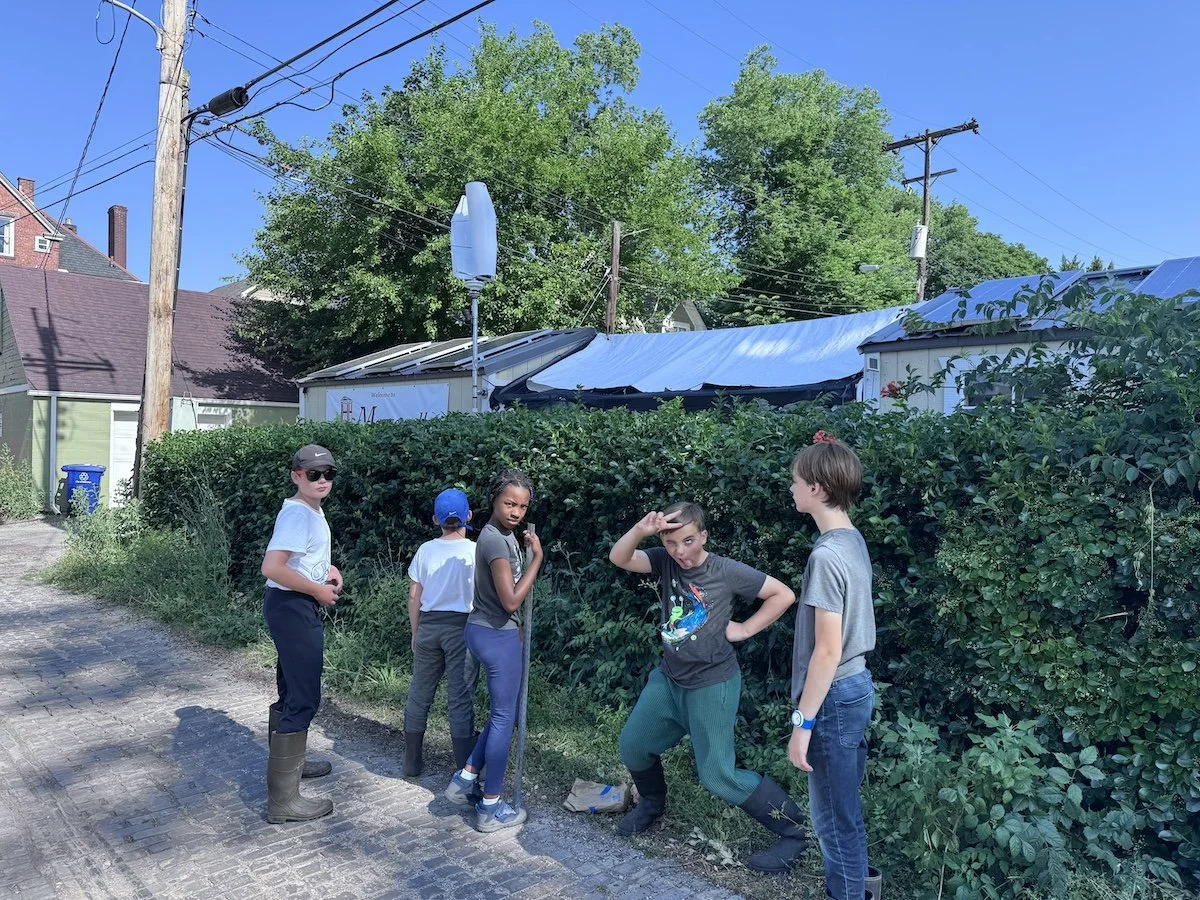
Exploring Vertical Axis Wind Turbines
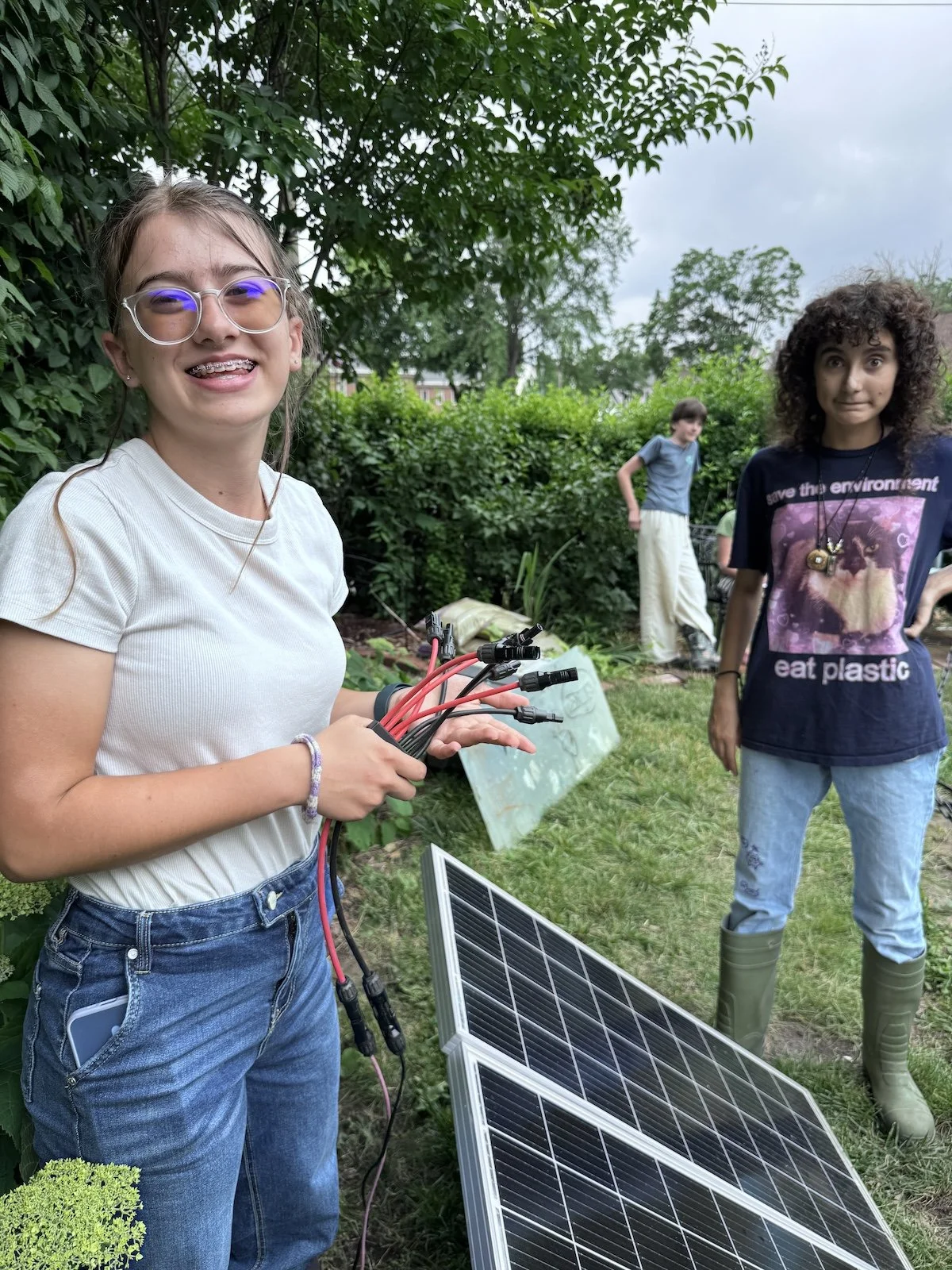
Prepping for a Lesson in managing Solar Panels
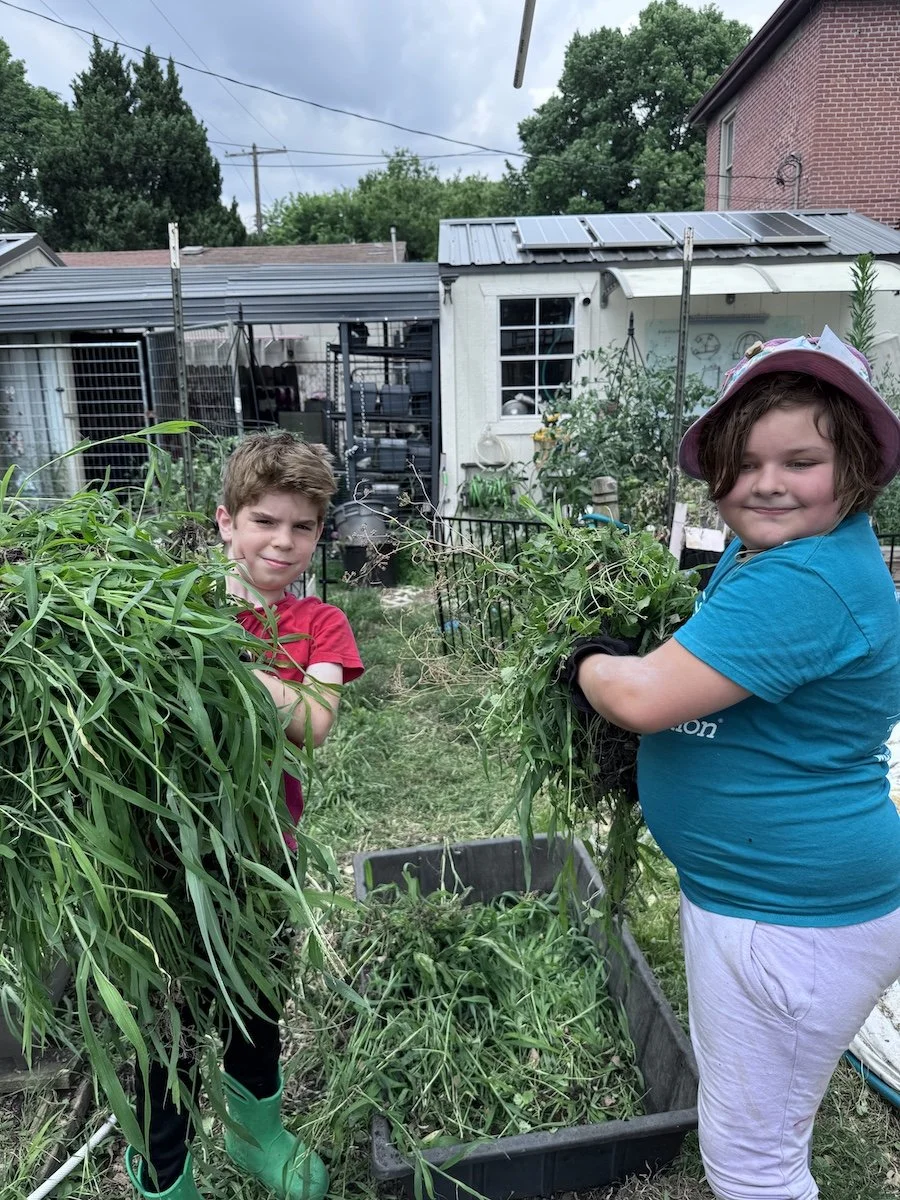
Harvesting grasses and weeds to make food for chickens and rabbits on the farm
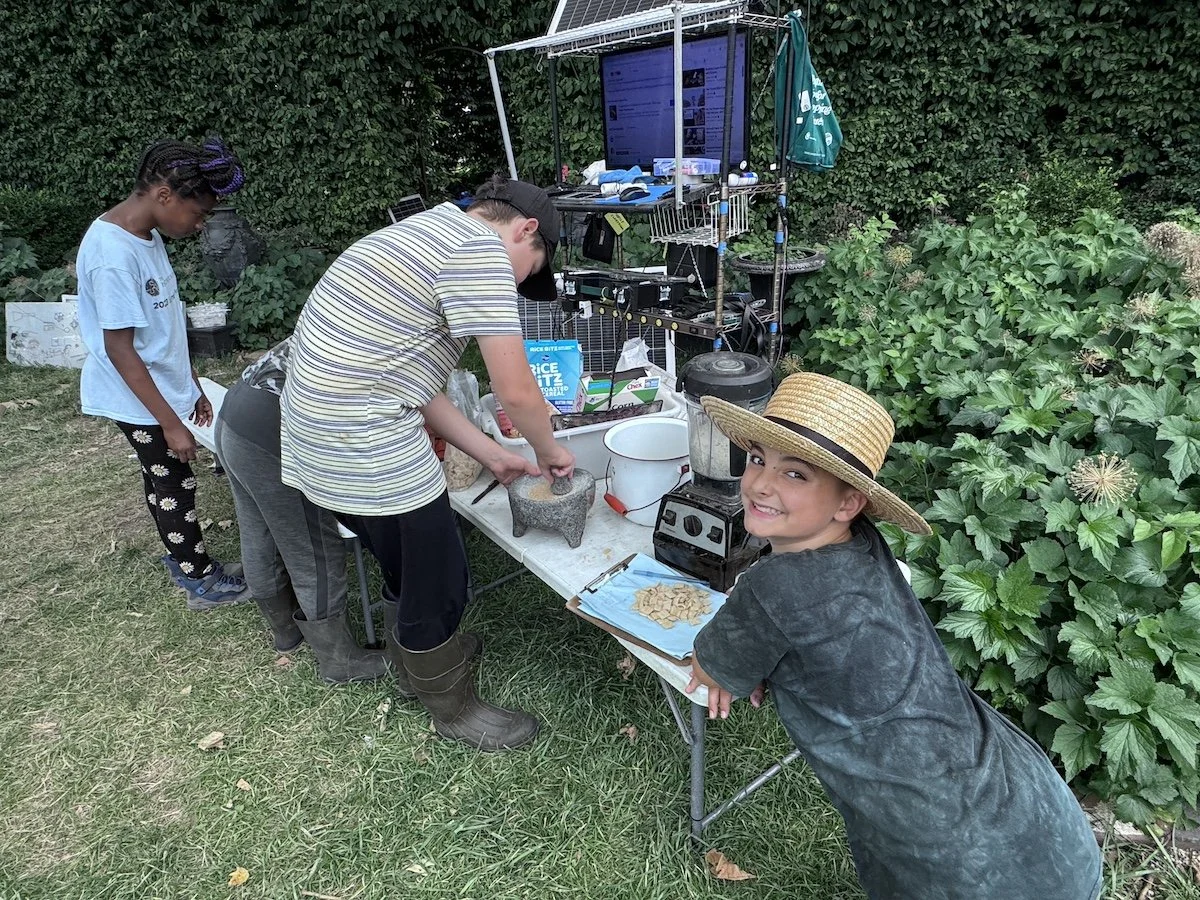
Turning renewable energy into food and fresh, purified water for farm animals
During the “Ecology Connections” Camp the MenTerns co-taught the design challenges for the 10 interconnected and integrated, enclosed ecologies at Mezzacello Urban Farm. The focus was on understanding weather, climate, natural resources, and our role in keeping the Earth healthy and sustainable.
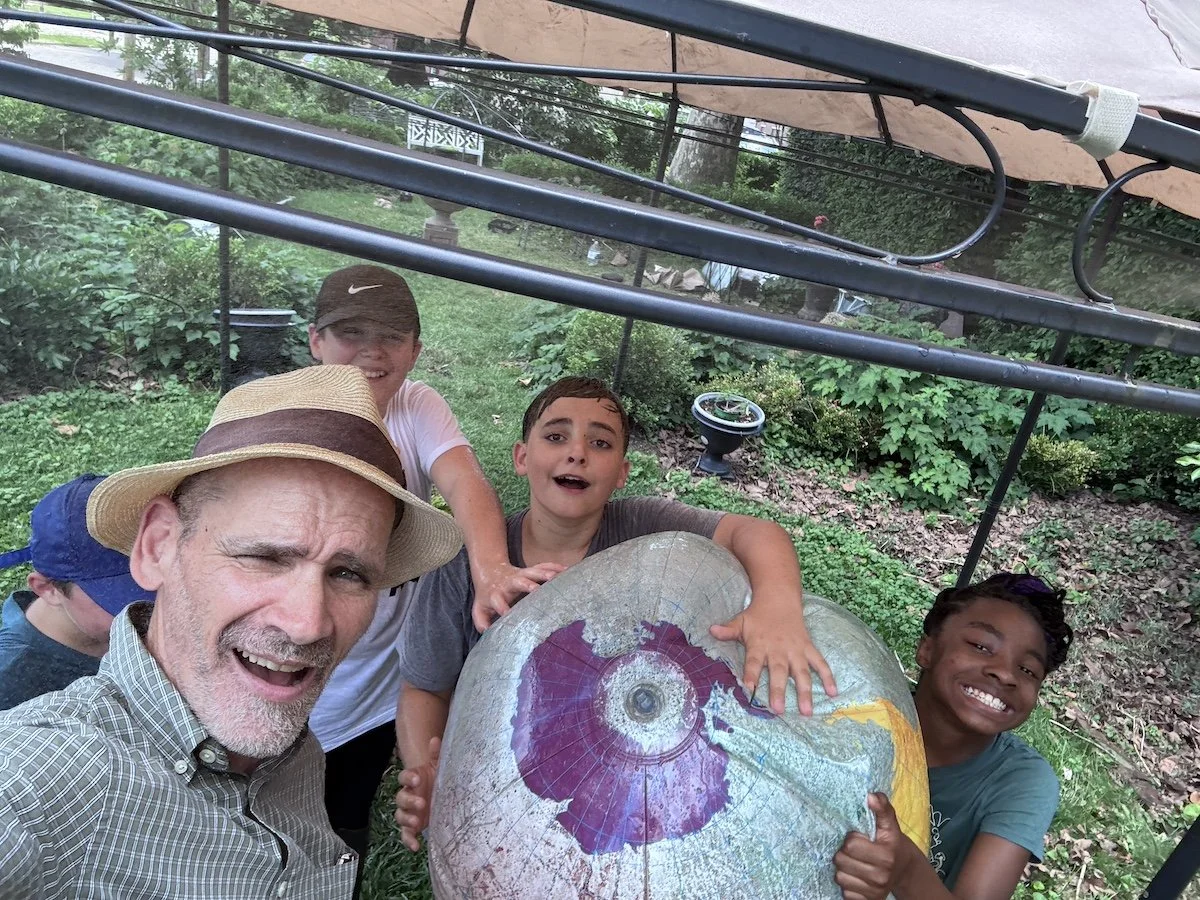
Making it rain on the Earth during a really hot day
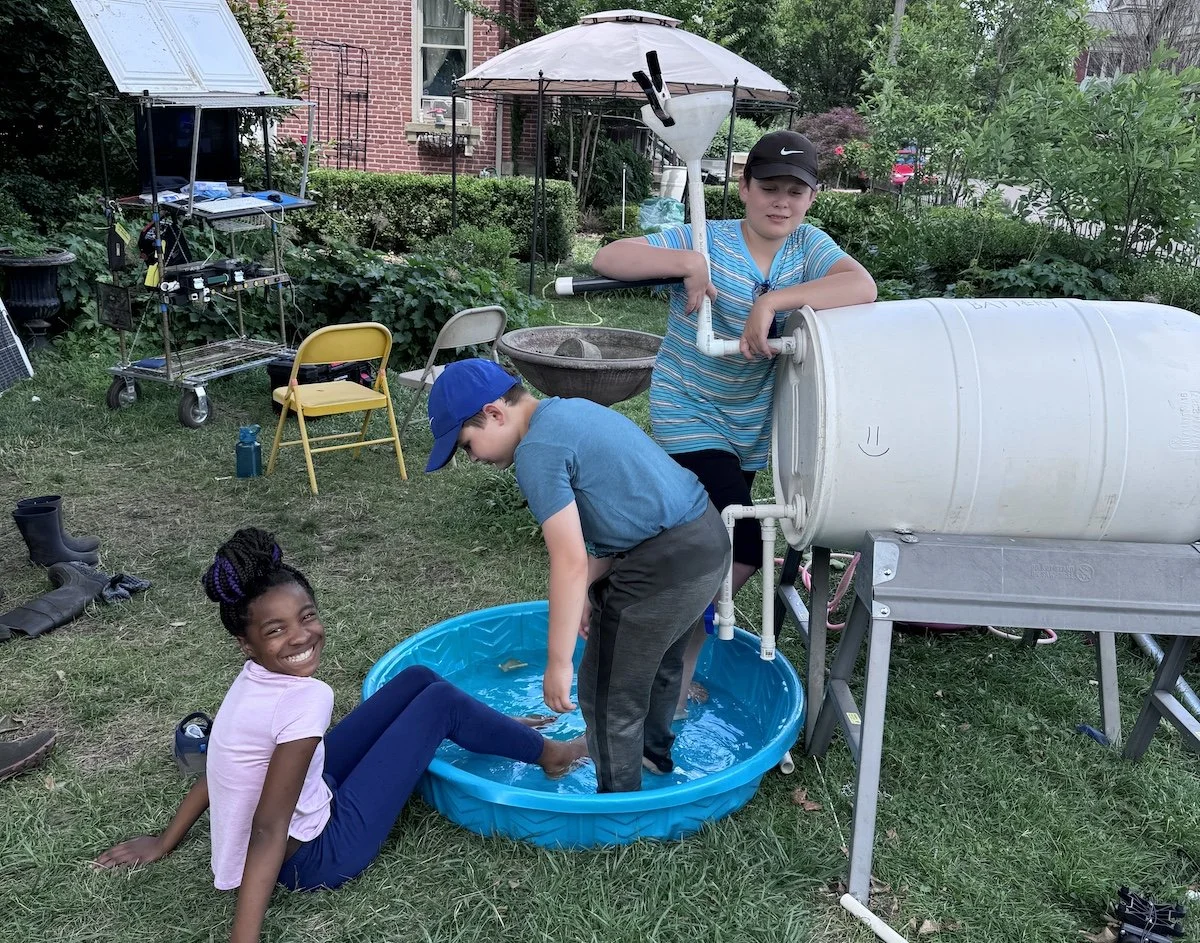
Making the best out of purified water
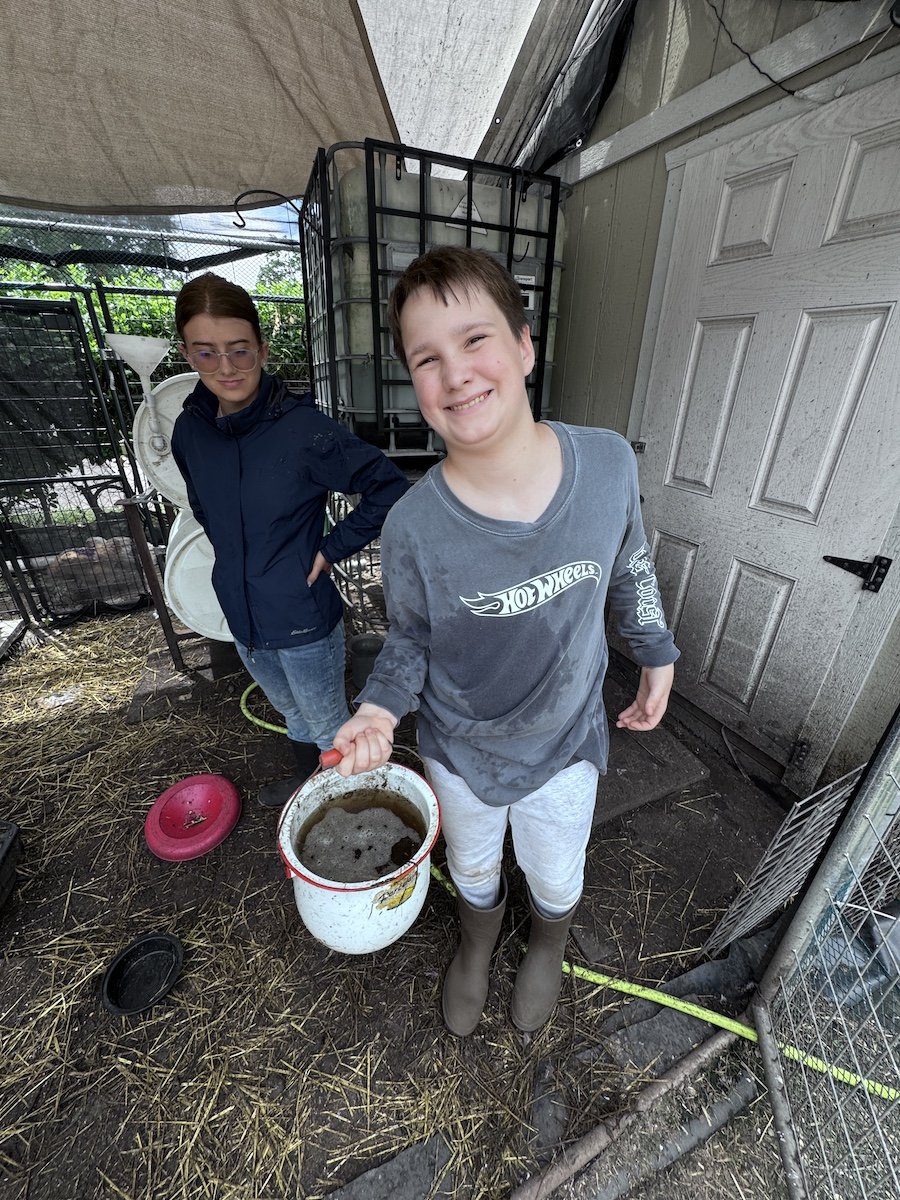
How the water started…
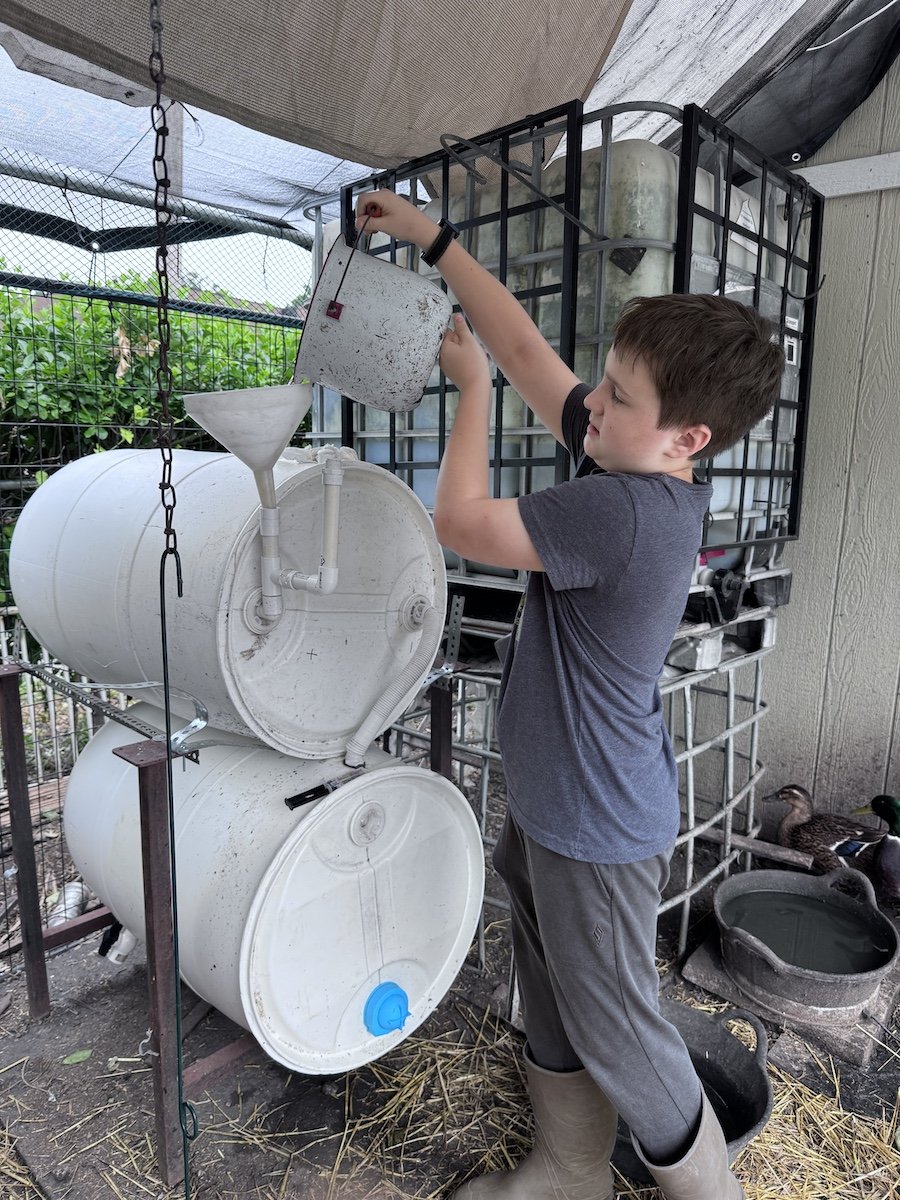
Testing the duck muck water filtration system with the ducks supervising.
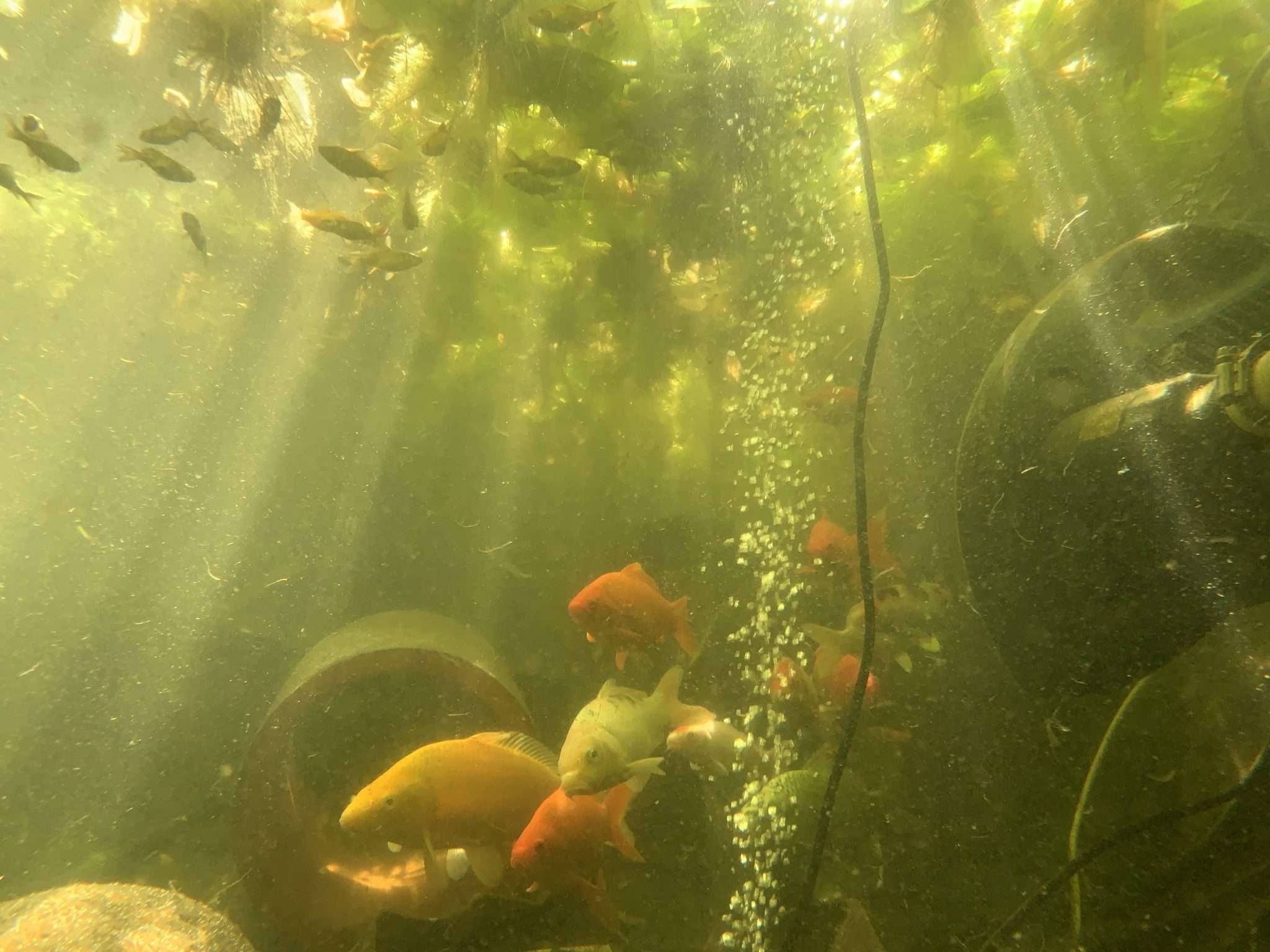
The final camp was “Life Below Water” and it focused on water resources and the UN 17 Sustainable Development Goals. The MenTerns were committed to teaching and modeling the insights and workforce skills they had developed to improve the lives of everyone. Knowing all water is 4.5 billion years old AND only 1% of it is drinkable is a powerful and scary fact. But if the MenTerns have learned anything through this program it’s that knowledge is power, and with power comes great responsibility!
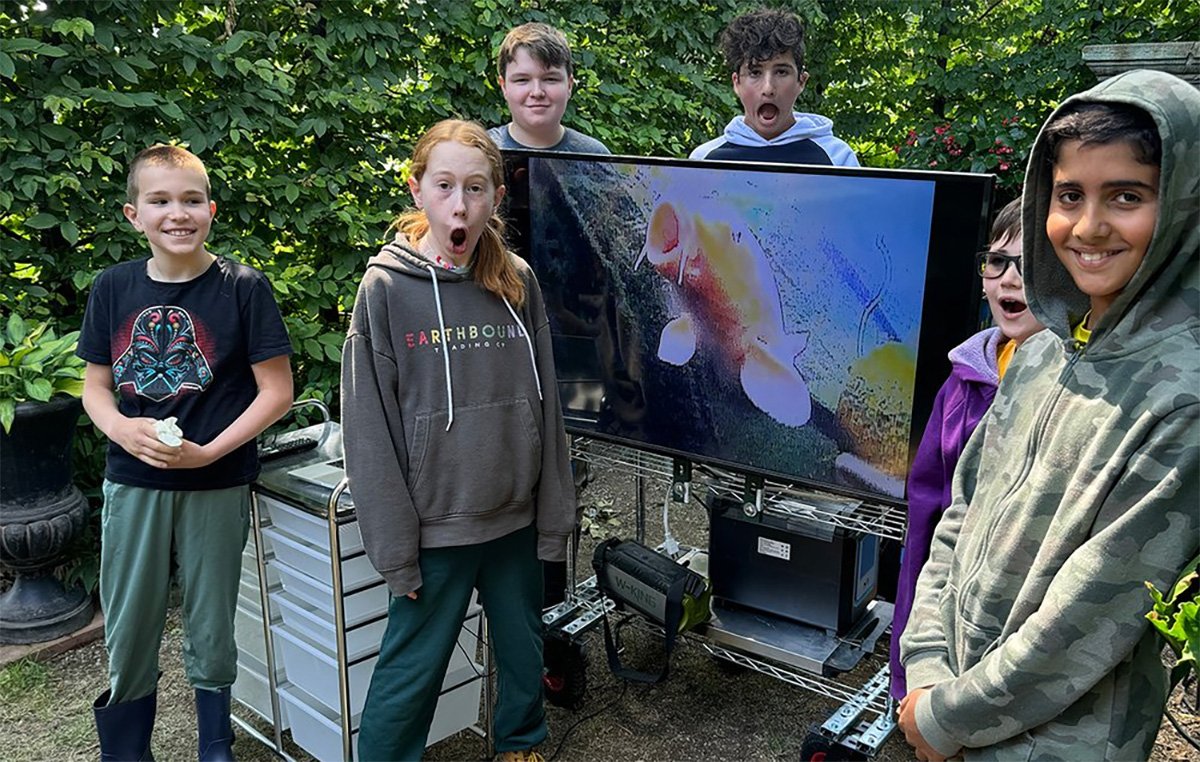
Life Below Water
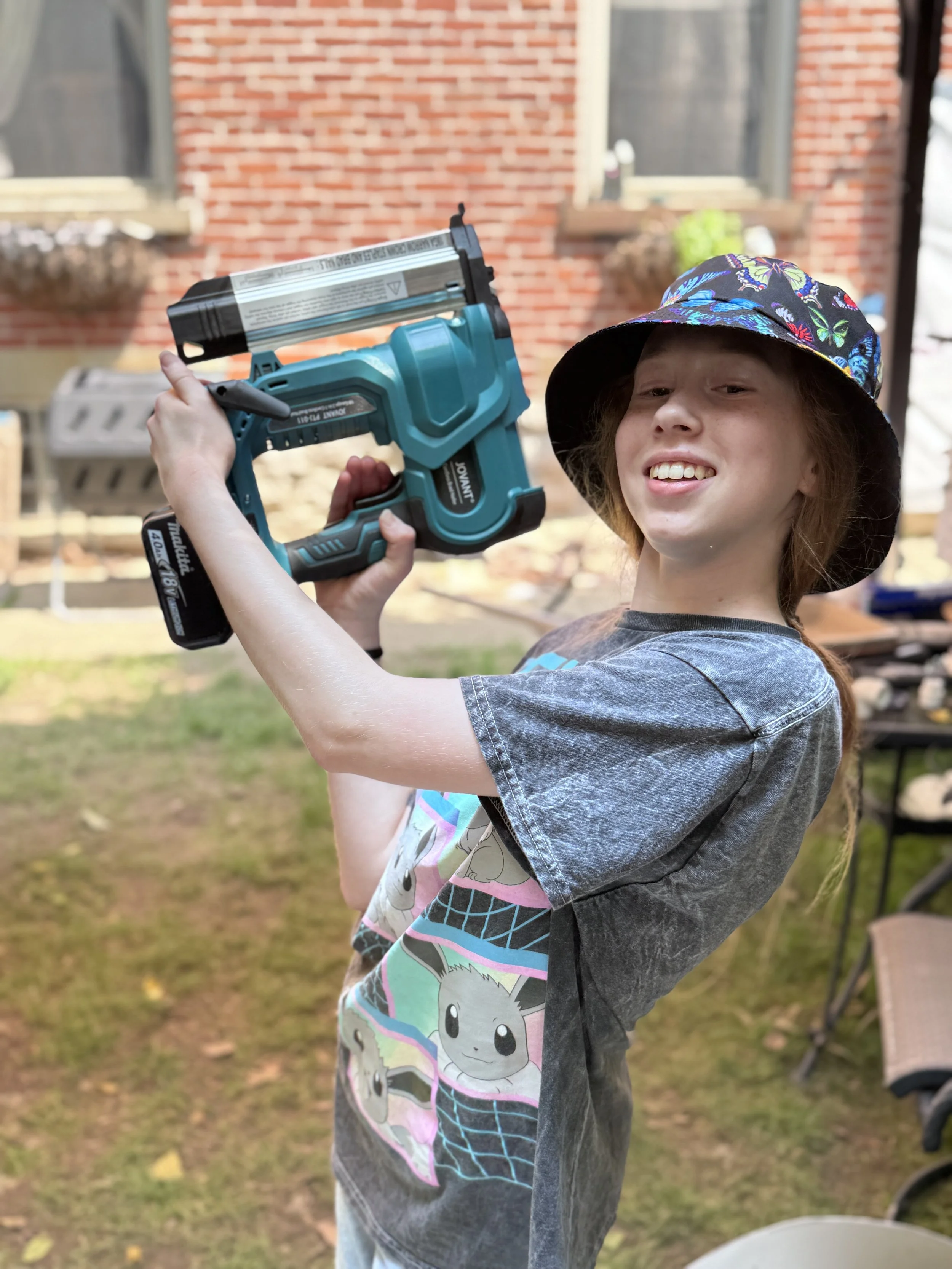
Confidence is a gift you give yourself
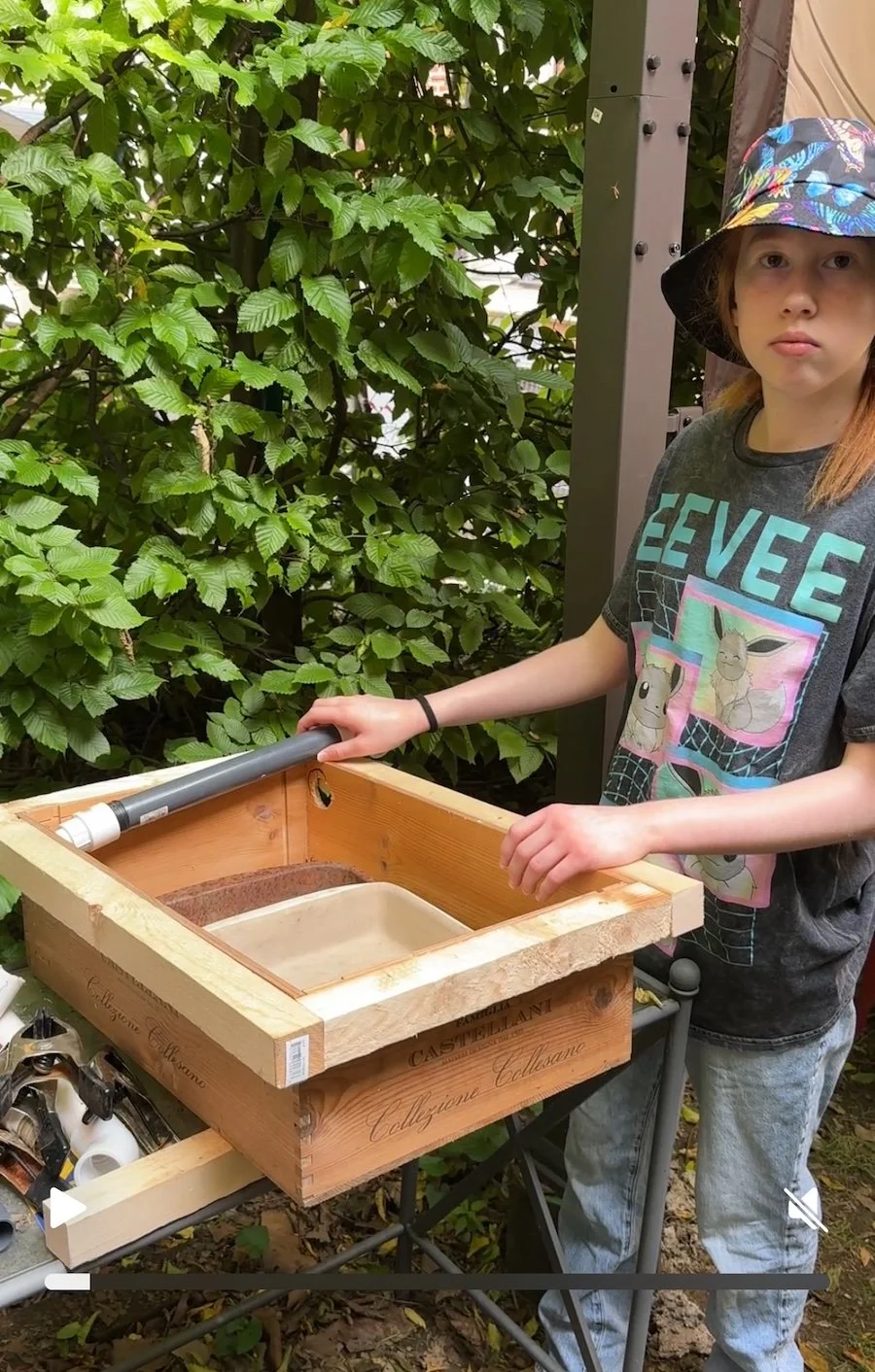
Water purifier project description
“Mezzacello Urban Farm has been on a journey. It started with a driving need to make STEM and Workforce Skills an applied experience and a fun and empowering experience.”
“Our son enjoyed his scheduled week so much that we signed him up for an additional week! We will definitely be coming back next summer and would recommend this camp to any kid who is curious about the natural world.”
“My son is a hard kid to crack, and usually doesn’t let people in. But today? He was lit up! He told us he learned so much, worked hard, and loved every minute of it. He’s already excited to go back tomorrow, and that’s huge.”
NEXT STEPS
“This is how and why we created the MenTerns program: To empower kids with skills, ideas, and confidence to demand to change the world, not wait for permission.”
Mezzacello Urban Farm has been on a journey. It started with a driving need to make STEM and Workforce Skills a fun, relevant, and applied and empowering experience. We have succeeded. We adore the MenTerns and the positive impacts the program has had on them, their families, their community, their schools, and on Mezzacello Urban Farm. The loss of key grants, the low enrollment, and the lack of an operational budget will shutter our program for 2026.
It has been the thrill of my life to be able to provide a place for the young and genius-level leaders of tomorrow to explore, learn, fail, strive, and grow. I still believe this unique project was worth running just to allow these MenTerns to grow into their potential.
The longitudinal studies, the self-reporting, and pre and post assessment data is telling me without a doubt it has worked. More importantly, the MenTerns and their families have told me, shown me, and shared to the world how they intend to become the leaders of tomorrow.
I do know this: The photo below is of my biology and physics MenTern Will and he is posing with three perfect strangers as he presents a tour of Mezzacello. Will is painfully shy and largely non-verbal. But he believes in this mission — and he belives in himself. This is how and why we created the MenTerns program: To empower kids with skills, ideas, and confidence to demand to change the world, not wait for permission.
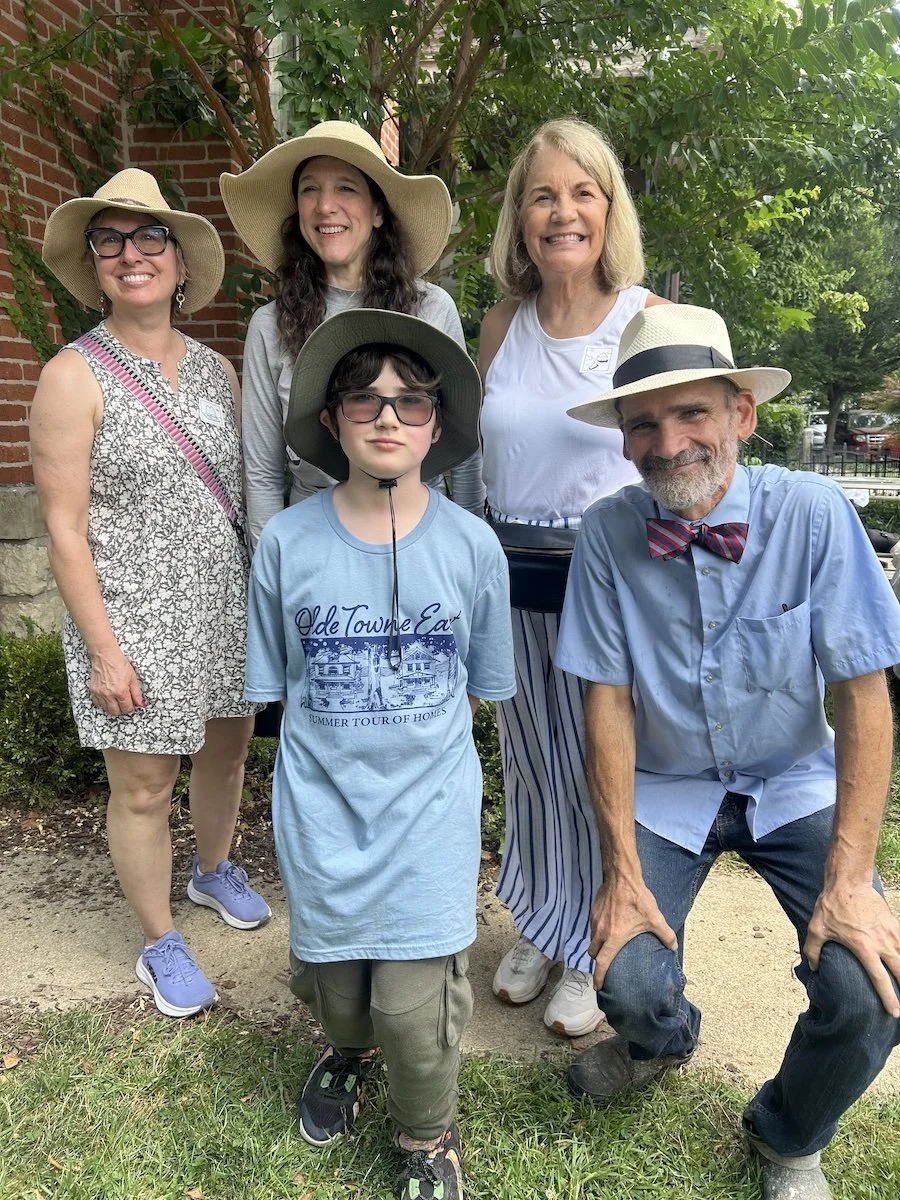
Will, three kind strangers, and I beaming with pride. Will was able to do something he never dreamed he would do: Lead, feel confidence, and help others along the way.
