

Making Feed On a Farm
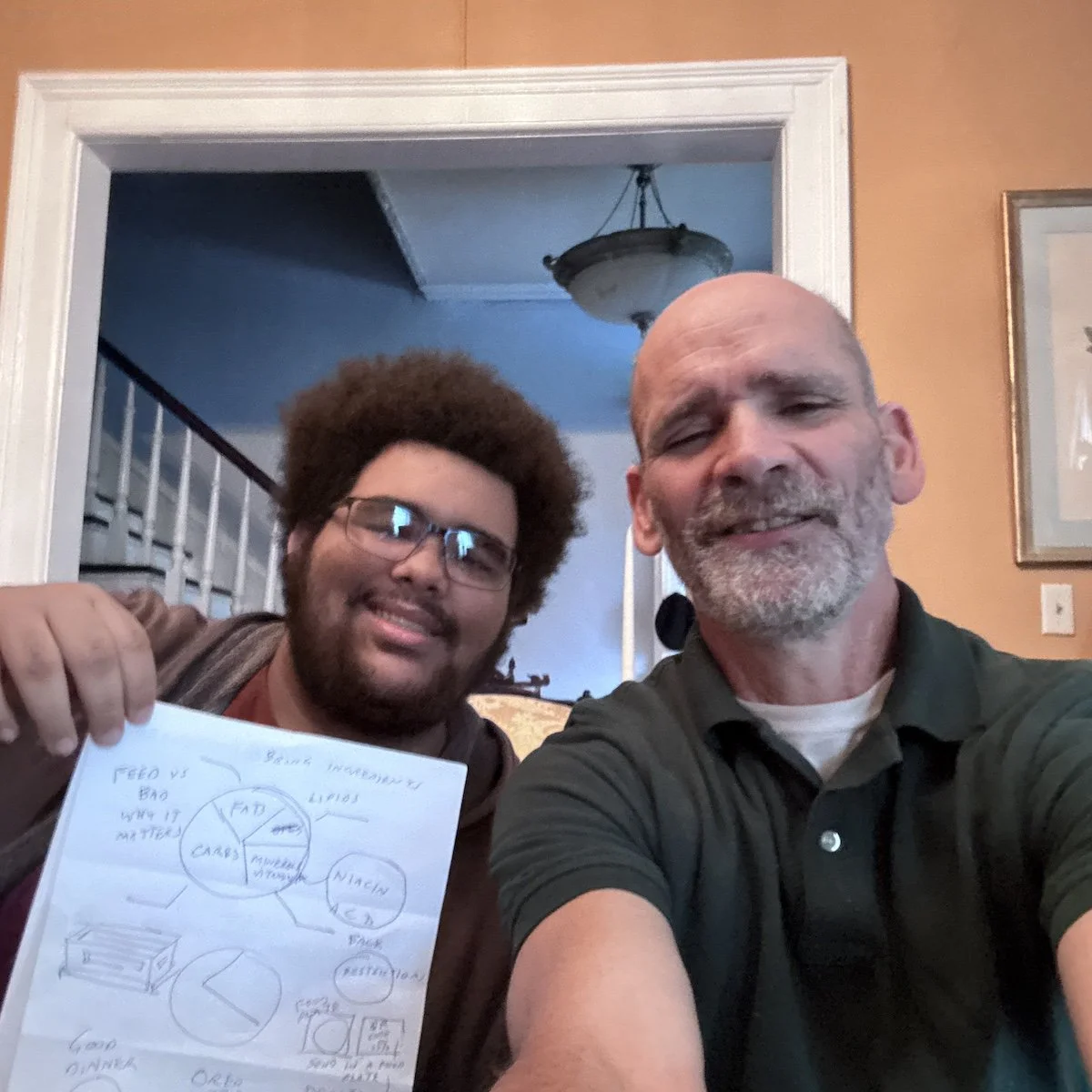
How we create a balanced feed source for animals
My intern, Marcus, and I are developing a design challenge for Columbus City Schools around how we engineer feed here at Mezzacello. Using feed sources like oats, wheat germ, timothy hay, syrup, and cracked corn, we add other proteins, grasses and seeds grown here at Mezzacello like sunflower seeds, crickets, mealworms, and eggs. But our secret ingredient is edible weeds.
Our Balanced Metabolism Chart and the My Plate Icon
Traditionally when we consider nutrition we think about human tastes and pallettes. With animals we take a more functional and metabolic approach. We have three key biologic components, carbs, proteins, and lipids, and then vitamins and minerals, and then water.
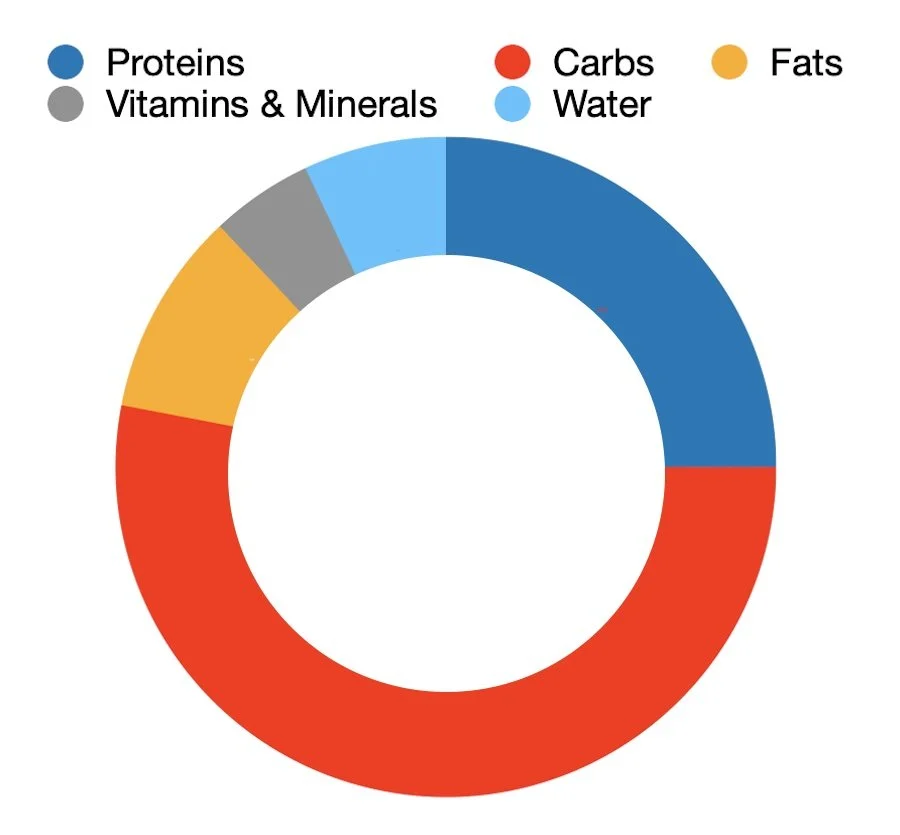
What our metabolic chart looks like
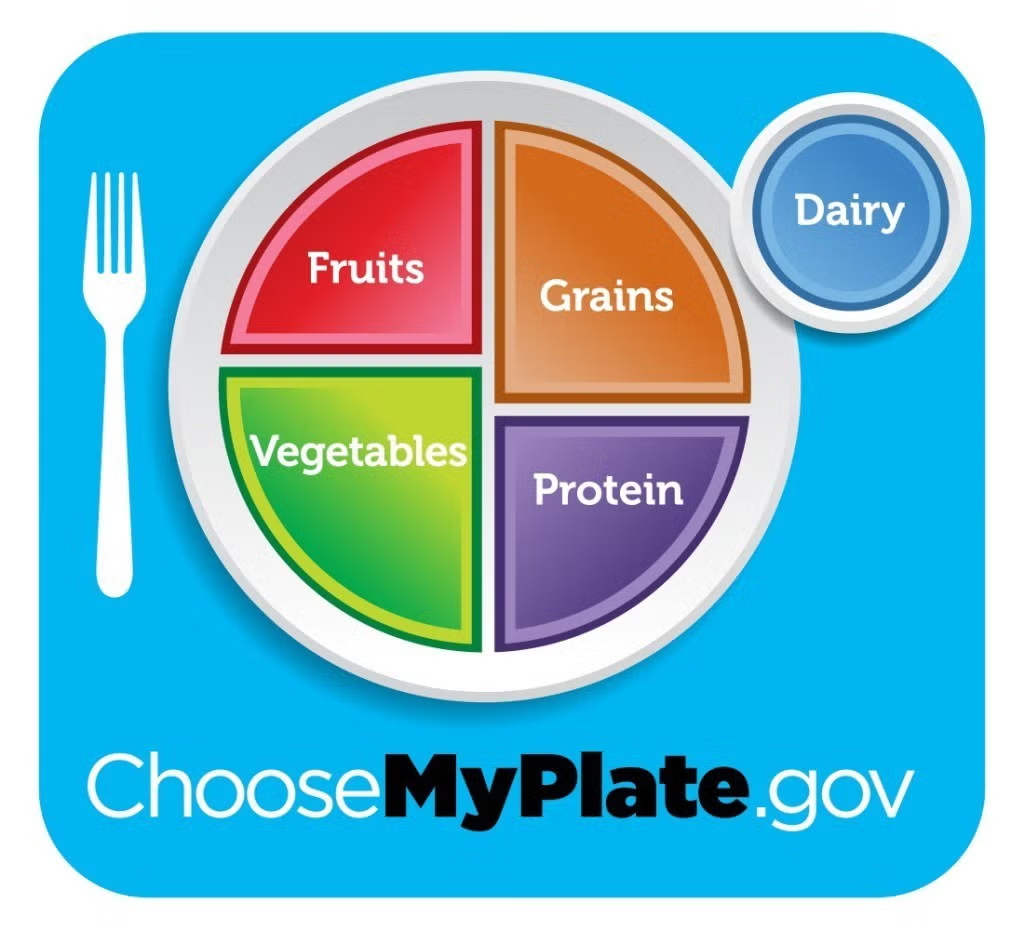
A human-centric dietary icon
This is generally not how humans think of food (see MyPlate above) and it can get complicated fast, but it doesn’t have to if you are using simple and fresh ingredients. Ingredients that animals consume every day, namely insects, weeds and grasses. We just need to balance out the proteins and the carbs a bit. The Lipids and minerals sort themselves out. The same is true with the water amounts.
We wanted to create a simple lesson that would be easy for kids to follow along and replicate for each species of animal as well as for themselves. It is our hope that when kids start seeing how all nutrition ultimately ends up in a body (Carbs, proteins, fats (lipids), minerals, and water) it might be easier for them to start pinpoiting and synthesizing the dietary gaps and dangers in their own diets.
Fine Tuning Diets and Solving a Mystery
Take the fine-tuning that has to be done to make feed for a rabbit versus feed for a duck or a chicken. There is a VAST difference in their dietary needs. Not meeting those needs can be fatal. These animals fall into three categories:
Chickens are omnivores and can eat anything, but need grains
Rabbits are herbivores but cannot eat many grains or meat
Ducks are carnivores but will die if they do not have grains, protein, and niacin
Our challenge is to take these three simple rules and create a mystery where every ingredient that we can add to a feed line is provided to the students. It is up to the students to quickly assess the metabolic needs of each species and it’s food chain dietary preferences (herbivore, carnivore, omnivore). They must quickly create a nutrition profile based on these key pieces of data and food chain status.
This will empower kids to choose the right nutrition profile for each animal, and we’ll mix them and create feed pellets right there. Then we’ll ask kids to pick the right MyPlate nutrition profile they would want to optimize THEIR bodies to perform at peak health and efficiency.
Red beans and rice, broccoli, and buttered wheat bread and kool-aid
Three Oreos, a fruit rollup, and a diet soda
A snack bag of Doritos, string cheese, and a bottle of sugary soda
We’re confident we know which two they’ll pick. Which is why we’ll then flip the script and make them feed their choice to an animal right in front of them and then defend their selection.
Dietary Load Cards
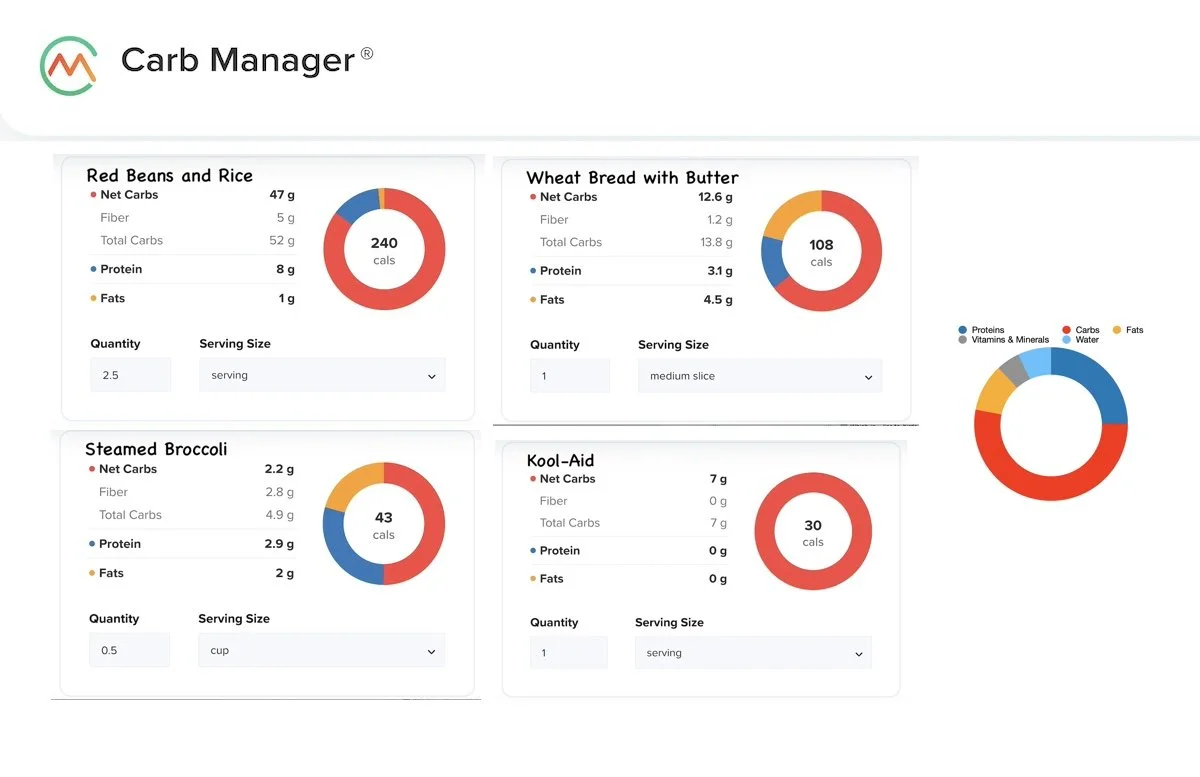
A Well-Balanced Meal 421 Calories, 69g Carbs, 14g Proteins, 8g Fats
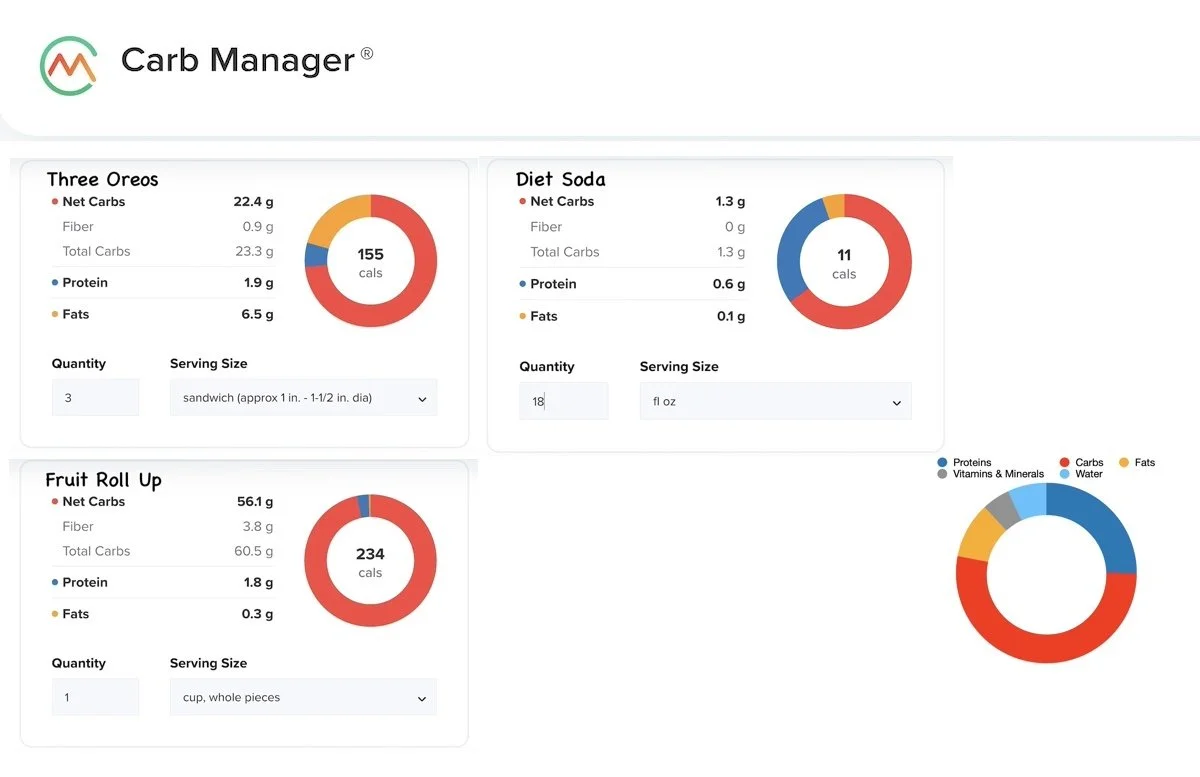
Oreos, Fruit Roll-Up, Diet Soda 400 Calories, 80g Carbs, 5g Proteins, 7g Fats
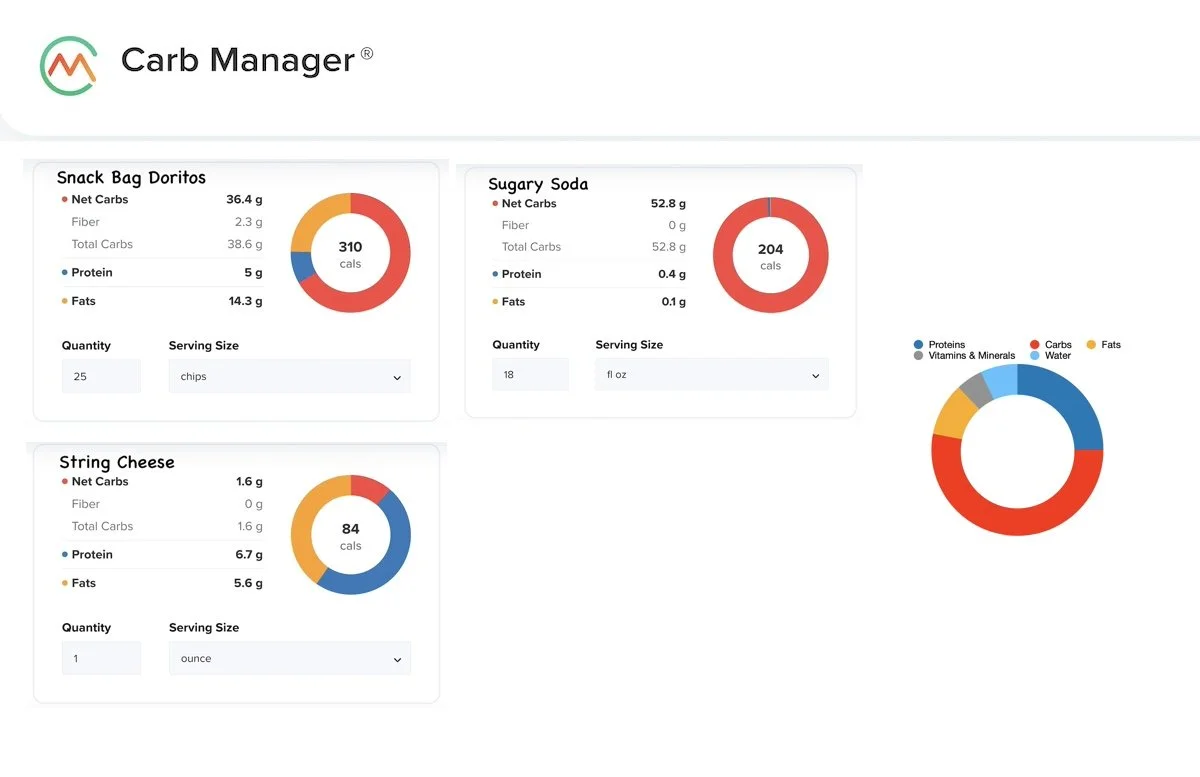
Doritos, String Cheese, and Sugary Soda 598 Calories, 91g Carbs, 13g Proteins, 20g Fats
